

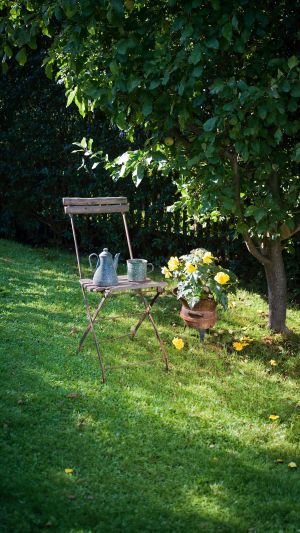
Lykkers! If gardening feels a little confusing at first, we are here to support you. Soil, light, water, and plants may seem like a lot to handle, but everything becomes easier once we understand the basics.
Gardening is not about speed, but about steady care and observation. We will explore simple, practical steps that help us build a healthy green space.
No matter how small the area is, we can turn it into something fresh, relaxing, and full of life. Every step we take teaches us something new, and every small mistake becomes part of learning.
<h3>Choosing the Right Plants for a Strong Start</h3>
To begin well, we need to select plants that match our space and lifestyle. Some plants are easier to care for and adapt more easily to changing conditions. These are ideal for beginners because they grow steadily with less effort.
We should first consider sunlight. Some areas receive strong light, while others stay shaded. Grouping plants with similar light needs helps them grow better together. We should also consider plant size so they do not overcrowd each other as they develop.
Hardy plants such as succulents, flowering plants, herbs, and seasonal bloomers are often easier to manage. It is also important to check the mature size and spacing requirements of each plant to ensure healthy long-term growth.
<h3>Soil Health and Drainage Basics</h3>
Healthy soil is the foundation of any successful garden. We can improve soil quality by mixing in compost and organic matter, which helps provide nutrients while keeping the soil loose for root growth.
Good drainage is equally important. If water stays around the roots for too long, plants may weaken. We should use containers with drainage holes or create raised planting areas when needed. In heavier soil, adding organic materials helps improve balance and airflow.
Covering soil with natural layers such as dry leaves or bark also helps retain moisture and reduce unwanted plant growth.
<h3>Watering with Care and Timing</h3>
Watering is one of the most important daily gardening tasks. Instead of following a strict schedule, we should check soil moisture first. A simple finger test helps determine when watering is needed.
Early morning or evening is the best time to water because it reduces water loss from evaporation. Different plants have different water needs, so it is important to observe each plant individually.
Slow watering methods can also help, allowing moisture to reach the roots gradually and supporting steady growth.
<h3>Feeding Plants for Balanced Growth</h3>
Plants need nutrients to grow strong and healthy. Compost and gentle organic feeding methods are effective ways to support growth. Different nutrients help different parts of the plant, including leaves, roots, and flowers.
It is better to feed lightly and regularly rather than applying too much at once, as overfeeding can disrupt plant balance. Newly planted or recently purchased plants should be given time to adjust before adding extra nutrients.
Watering after feeding helps nutrients reach deeper into the soil where roots can absorb them more effectively.
<h3>Keeping the Garden Clean and Healthy</h3>
A clean garden helps plants stay healthy. Regularly removing dry leaves and unwanted growth improves airflow and reduces plant stress.
Trimming damaged or dry parts of plants keeps them tidy and encourages healthy growth. Regular observation also helps us notice early changes in plant condition.
Simple habits like keeping the area clear and checking plants regularly can make a big difference in long-term garden health.
<h3>Planning Space and Light for Better Balance</h3>
Good planning helps prevent common gardening problems. Before planting, it is important to understand the available space and arrange plants accordingly.
Light conditions change throughout the day, so observing sunlight patterns helps ensure proper placement. Some plants prefer direct light, while others grow better in softer brightness.
Using vertical space is also useful in small gardens. Climbing plants can create green walls, while smaller plants fill lower areas, creating a balanced and natural design.
<h3>Planting, Transplanting, and Container Growing</h3>
Plants can be grown from seeds or young seedlings. Seedlings develop faster, while seeds allow for a full growth cycle experience.
When transplanting, roots should be handled gently to avoid damage. If roots are tightly packed, loosening them slightly helps encourage healthy expansion.
For container gardening, choosing the right container size is important. Larger plants need more space, while smaller plants grow well in compact containers. Matching plant size with container size helps maintain stable growth.
<h3>Tools, Observation, and Continuous Learning</h3>
Only a few basic tools are needed to start gardening, such as a small spade, pruning scissors, gloves, and a watering tool. These are enough for most beginner tasks.
Keeping a simple gardening record can be very helpful. Notes on planting dates, growth progress, and care routines allow us to learn and improve over time.
Gardening is a continuous learning journey. Each season brings new experiences, and every plant teaches something valuable.
<h3>Growing Together Step by Step</h3>
Gardening is a peaceful and rewarding activity that develops over time through patience and observation. Even small efforts can lead to meaningful growth and beautiful results.
As we continue this journey, we can experiment, learn, and enjoy watching green life grow around us.


