

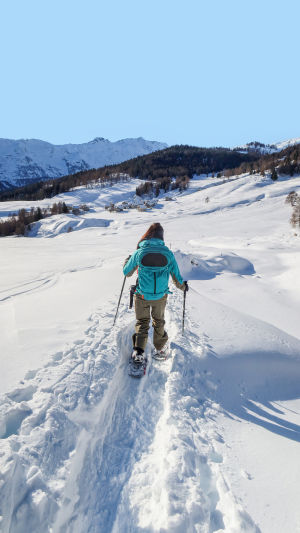
Winter landscapes feel like a quiet, open world covered in soft white layers. Snow trekking offers a refreshing way for us to stay active while experiencing nature in its calmest form.
To make the journey safer and more enjoyable, smart preparation and simple techniques can significantly improve comfort, balance, and confidence on snowy terrain.
<h3>Smart Gear Choices for Stability and Warmth</h3>
When we step into snowy environments, smart gear selection is essential for safety and efficiency. Footwear is the most important element. Waterproof, insulated boots with strong grip soles help reduce slipping and improve traction on uneven snow. Adding gaiters is also useful, as they prevent snow from entering the boots and help maintain dryness throughout the trek.
Layered clothing is the most effective system for adapting to changing temperatures. A moisture-wicking inner layer keeps the body dry. A warm middle layer, such as fleece or insulated fabric, retains heat efficiently. The outer layer should be windproof and water-resistant to protect against harsh conditions.
Smart accessories also improve performance and comfort. Gloves, thermal hats, and protective eyewear help maintain warmth and visibility when conditions become challenging.
<h3>Smart Movement: Balance and Energy Control</h3>
Efficient movement is key in snowy terrain. Short, controlled steps improve stability and reduce the risk of slipping. Each step should be placed deliberately to maintain awareness of surface conditions.
Keeping a slight bend in the knees helps absorb uneven terrain naturally and reduces joint strain. This improves balance and allows smoother movement across soft or packed snow.
Maintaining a steady rhythm is also important for energy control. A consistent pace reduces fatigue and supports longer travel distances. On steeper slopes, moving in a zigzag pattern can help reduce effort and improve traction, making uphill movement more manageable.
<h3>Smart Response to Changing Conditions</h3>
Snow environments can shift quickly, so awareness is essential. If balance is lost, staying relaxed and avoiding sudden stiff movements helps reduce impact.
When wind or heavy snowfall increases, seeking natural shelter such as trees or rock formations can provide temporary protection. Keeping warm layers accessible helps maintain body temperature during weather changes.
Navigation awareness is also important. Using a map or compass helps maintain direction and reduces the risk of getting off track. If uncertainty arises, pausing to observe surroundings is often safer than continuing without clear orientation.
<h3>Smart Planning Before the Trek</h3>
Good preparation reduces risk and improves overall experience. Reviewing trail length, terrain type, and weather conditions helps us choose the right time and route for the trek. Starting earlier in the day improves visibility and allows more time for safe completion.
Packing efficiently is another smart habit. Essential items include water, light food, and extra insulation layers. Organizing gear properly ensures quick access when needed.
Sharing your route plan with someone before departure adds an extra layer of safety and ensures better awareness in case of delays.
<h3>Smart Enjoyment of the Winter Experience</h3>
Snow trekking is not only physical movement—it is also a chance to slow down and appreciate a calm, natural environment. Each step becomes part of a mindful outdoor experience.
By combining smart preparation, controlled movement, and situational awareness, the journey becomes safer, smoother, and more enjoyable.
As we finish this guide, Lykkers, think ahead: what kind of snowy path would you like to explore next? With the right approach, every winter trail can become a confident and rewarding adventure.


