

Updating your home with each season is not about following trends or decorating for special occasions.
It is about maintaining a living space that feels balanced, comfortable, and naturally aligned with seasonal changes. Small, intentional updates can transform the atmosphere of a room without the need for major changes or new furniture.
A well-considered approach allows you to refresh your space using items you likely already own, simply by rotating and restyling them in a new way.
<h3>Build on a Neutral Base — Then Layer in Color</h3>
A strong seasonal decorating approach begins with a stable foundation. Furniture in neutral tones such as cream, taupe, warm grey, and natural wood creates a timeless base that works throughout the year.
Seasonal variation is introduced through smaller, interchangeable elements such as cushions, throws, table linens, vases, and decorative accessories. Keeping the core elements consistent allows for easy updates without disrupting the overall harmony of the space. Limiting seasonal accents to two main colors helps maintain a refined and cohesive look.
<h3>Spring and Summer: Light, Airy, and Fresh</h3>
The transition into warmer seasons focuses on creating a lighter and more open atmosphere. Heavier fabrics can be replaced with breathable materials such as cotton and linen. Softer, fresher scents and lighter decorative accents help reinforce the seasonal shift.
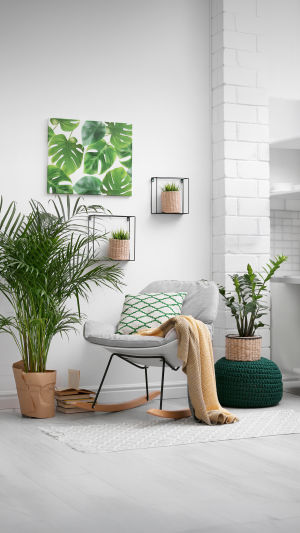
Introducing greenery, such as potted plants or simple branches, brings a natural sense of renewal. Early spring works well with soft, muted tones, while summer allows for brighter accents such as soft yellows, light blues, and warm corals. Sheer fabrics and natural light enhancement further contribute to a brighter and more relaxed environment.
<h3>Autumn: Warmth and Natural Texture</h3>
Autumn styling emphasizes warmth, depth, and texture. Rich tones such as amber, rust, deep green, and warm brown create a grounded and inviting atmosphere.
Layered textiles such as thicker throws and textured cushions add comfort and visual depth. Natural materials like wood and woven elements enhance the seasonal character of the space. Subtle scent changes inspired by warm spices or earthy, natural notes can further reinforce the feeling of the season.
<h3>Winter: Soft Light and Comfort</h3>
Winter interiors focus on warmth, softness, and layered lighting. Multiple light sources, including candles and warm-toned lighting, help create a calm and cozy atmosphere.
Adding plush textures through rugs, cushions, and throws enhances comfort during colder months. Deep, muted colors such as navy, forest green, and soft metallic tones support the seasonal mood. Decorative lighting and simple entryway accents can also add a welcoming feel without overwhelming the space.
<h3>Nature-Inspired Seasonal Elements</h3>
One of the simplest ways to refresh a space seasonally is by using interchangeable decorative vessels. Bowls, trays, or glass containers can remain consistent while their contents change with the season.
Natural elements such as shells in warmer months, dried foliage in autumn, evergreen branches in winter, and fresh buds in spring provide subtle seasonal variation. Changing home fragrances is another effective way to enhance the atmosphere, as scent plays a strong role in shaping perception and mood.
Seasonal home updates do not require large investments or major changes. Through thoughtful adjustments in texture, color, lighting, and natural accents, any space can remain fresh, inviting, and in harmony with the rhythm of the year.


