

Protein powder has its place, but for people who find it chalky, expensive, or just tedious to deal with, there are whole-food alternatives that deliver meaningful protein with considerably more flavor and less industrial processing.
Some of these options also bring additional nutritional benefits — probiotics, calcium, essential fats — that protein powder alone doesn't provide. Here are five drinks worth incorporating into a fitness routine.
<h3>Cow's Milk: The Original Recovery Drink</h3>
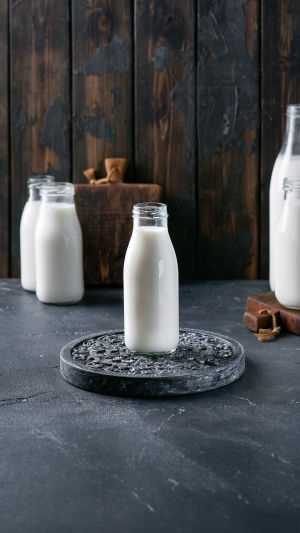
Whole dairy milk is one of the most studied recovery beverages available, and the research on it is consistently favorable. A 250-milliliter glass provides approximately 8 grams of complete protein — meaning it contains all nine essential amino acids, including leucine, which is particularly important for triggering muscle protein synthesis. It also provides calcium, vitamin D, potassium, and a combination of casein and whey proteins that together produce both fast and slow release of amino acids into the bloodstream after consumption.
Research published in the American Journal of Clinical Nutrition found chocolate milk specifically effective for post-exercise recovery, partly because of its protein-to-carbohydrate ratio of roughly 1:4, which matches what exercise physiologists consider optimal for glycogen replenishment alongside muscle repair. For anyone who tolerates dairy and isn't already drinking it around workouts, it's one of the simplest, most cost-effective protein drinks available.
<h3>Kefir: Milk With Added Benefits</h3>
Kefir is fermented cow's milk with a consistency slightly thinner than a drinking yogurt. One cup contains approximately 9 to 11 grams of protein — slightly more than regular milk — along with a diverse community of live probiotic cultures that support gut health and may enhance nutrient absorption. The fermentation process breaks down much of the lactose, making kefir tolerable for many people who are lactose sensitive.
Plain kefir is slightly tangy, which makes it blend well with frozen berries or banana without needing added sweetener. It works as a direct post-workout drink, as a smoothie base, or mixed into oats for a protein-rich overnight preparation. When buying, check the label: many flavored kefir products contain added sugar that significantly increases calorie content without adding protein.
<h3>Greek Yogurt Smoothie: The Flexible Option</h3>
Greek yogurt contains approximately 17 to 20 grams of protein per 200-gram serving — roughly double the protein of regular yogurt — because straining removes liquid whey and concentrates the protein. Blended into a smoothie with milk or a milk alternative, it becomes drinkable and considerably more nutritionally complete than most packaged protein drinks.
A basic high-protein smoothie: blend 200 grams of plain full-fat Greek yogurt with 200 milliliters of milk, a frozen banana for thickness and natural sweetness, and a tablespoon of peanut or almond butter for additional protein and healthy fats. This combination delivers approximately 30 to 35 grams of protein depending on the Greek yogurt brand. Adding a handful of spinach changes neither the taste nor the color significantly but adds iron and folate. Frozen fruit eliminates the need for ice while creating a thicker, creamier texture.
<h3>Soy Milk: The Best Plant-Based Option</h3>
Among plant-based milk alternatives, soy milk stands out clearly for protein content. One cup provides approximately 7 to 8 grams of protein — comparable to dairy milk and significantly higher than almond, oat, or rice milks, which typically deliver 1 to 3 grams per cup. More importantly, soy protein is a complete protein with all essential amino acids, including leucine in sufficient quantity to meaningfully support muscle protein synthesis, which most plant proteins cannot match.
Unsweetened soy milk works as a direct post-workout drink, a smoothie base, or a coffee base for a high-protein latte. Check labels: some brands add sugar or flavorings that reduce its advantage as a clean protein source. Plain, unsweetened soy milk from a reputable brand has a mild, slightly nutty flavor that most people find neutral enough to drink straight or use in recipes without the taste interfering.
<h3>Broth from Animal Bones: The Savory Alternative</h3>
Broth made by simmering animal skeletal material and connective tissue for an extended period extracts collagen, gelatin, and minerals into the liquid. A cup of quality skeletal broth provides approximately 10 grams of protein, though the amino acid profile differs from dairy or soy — it's higher in glycine and proline, which are the building blocks of collagen, and lower in leucine and other branched-chain amino acids that directly drive muscle synthesis.
This makes skeletal broth more useful as a joint support and gut-lining supplement than as a post-workout muscle recovery drink per se. It's also low in calories and high in electrolytes — sodium, potassium, and magnesium — which makes it useful for rehydration. Consumed warm, it's the only genuinely savory option on this list, which makes it useful for people who want protein in a non-sweet format, particularly in the evening or between meals when a sweet smoothie isn't appealing.


