

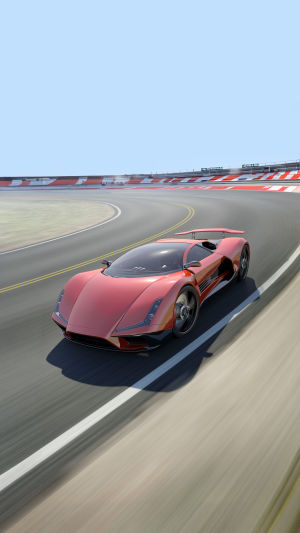
Hey Lykkers, have you ever noticed how a sports car doesn’t just arrive quietly?
Instead, it announces itself with a deep, energetic sound that you can hear long before it comes into view. This sound often makes people turn their heads instantly.
Many of us enjoy the sleek look and fast performance of sports cars, but the sound during acceleration is something truly unforgettable. Today, we explore why this sound exists and whether it is intentional or just a side effect of design.
<h3>The Core Focus of Performance Design</h3>
When we look closely at sports car design, the main goal is clear: strong performance. These vehicles are built for speed, quick response, and stable power output even at high levels of operation. To achieve this, engineers often equip them with large-capacity engines that can generate strong force in a short time.
This focus on performance shapes every part of the vehicle’s structure. Instead of prioritizing quiet operation, designers focus on allowing the engine to “breathe” more freely. This is where the sound begins to play a natural role.
<h3>How Airflow Creates the Sound We Hear</h3>
Inside a high-performance vehicle, exhaust airflow is managed in a way that reduces resistance. When the engine works harder, gases move through the exhaust system at higher speed. This movement creates sound waves that we hear as a deep, powerful tone.
Unlike regular vehicles designed for quiet operation, performance models often allow a more open airflow design. This means the system does not block or reduce these sound waves too much. As a result, when the engine speed increases, the sound becomes more noticeable and energetic.
We can think of it as the engine “breathing out” in a more expressive way when it is under pressure.
<h3>Why Silence Is Not Always the Goal</h3>
For everyday vehicles, comfort is a major priority. Engineers usually add components that reduce sound, making the ride smoother and quieter for daily use. However, in performance-focused machines, too much sound reduction can limit airflow efficiency.
When airflow is restricted, the engine may not deliver its full potential. That is why designers often choose a balanced system that allows both strong output and a natural sound experience.
So the louder tone we hear is not random. It is closely connected to how the system is optimized for performance.
<h3>The Emotional Side of Engine Sound</h3>
Beyond engineering, sound plays a big emotional role. When we hear a sports car accelerating, the rising tone creates excitement and energy. It feels dynamic and alive, almost like a rhythm that matches speed.
This sound also helps create identity. Even without seeing the vehicle, many people can recognize a performance model just by listening. For enthusiasts, this becomes part of the experience—something that adds character to the drive.
It is not just about movement. It is about feeling.
<h3>How Sound Helps Enthusiasts Understand the Machine</h3>
Interestingly, experienced enthusiasts can often interpret details just by listening. The tone, rhythm, and intensity of the sound may hint at how the engine is working. It can suggest differences in design, power level, or driving condition.
This makes sound not only an emotional feature but also an informative one. It becomes a language of its own, helping people connect more deeply with the machine.
<h3>Why We Enjoy It More Than We Realize</h3>
We may not always notice it, but this energetic sound adds excitement to the experience of speed. It builds anticipation even before the vehicle arrives. Without it, the moment might feel less engaging.
That is why many performance vehicles are designed to preserve this natural sound rather than remove it completely. It is part of what makes the experience memorable and unique.
So Lykkers, the loud sound during acceleration is not simply for attention. It comes from engineering choices that prioritize performance, airflow, and driving experience. At the same time, it adds emotional depth and identity to the machine.
Next time you hear that powerful sound approaching from a distance, take a moment to think about the engineering behind it. Do you enjoy this kind of energetic sound, or do you prefer a quieter ride experience? Share your thoughts and let’s continue exploring the fascinating world of performance machines together.


