

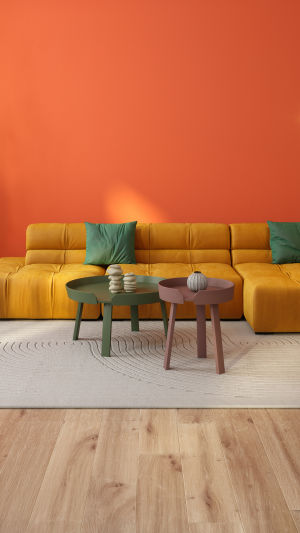
Lykkers, when we step into a living room, the sofa is often the first thing that catches our eye. It sets the tone of the whole space.
Choosing the wrong color can easily disrupt the harmony of the room, while the right one brings everything together in a natural and comfortable way.
So how do we decide the best sofa color for our home? Let’s explore some simple yet practical ideas together.
<h3>Three Key Principles for Choosing Sofa Color</h3>
The first principle is to keep the number of colors in one space under control. In general, it is better not to use more than three main colors in a room. Just like in daily outfits, too many colors can feel messy. Large surfaces such as walls, flooring, curtains, and sofas should stay visually balanced. Small accents like black, white, or metallic tones are usually not counted in this limit.
The second principle is to base the sofa color on the dominant tones of the room. We can observe the largest visual areas first, such as wall color and flooring. A light wall paired with a slightly deeper floor often works well with a mid-tone sofa. If the wall is already colored, a simple approach is to balance light, medium, and deeper shades across the wall, floor, and sofa for a natural flow.
The third principle is the flexibility of neutral gray tones. Gray works well in many interior styles because it blends smoothly with other colors. If a gray sofa feels a little plain, we can easily brighten the space with cushions, lamps, or decorative pieces in lighter tones.
<h3>Four Practical Ways to Match Sofa Colors</h3>
One simple method is the base-tone approach. If a room already follows a soft palette like light gray and white, a sofa in a similar gray shade will help the space feel unified and calm, while still keeping depth through subtle tone differences.
Another method is the same-tone approach. We can pick one existing color in the room and apply it to the sofa. For example, if the wall has a soft blue shade, a matching blue sofa can create a smooth and coordinated look. If curtains carry a stronger tone, matching the sofa with them also creates visual consistency.
The third method focuses on flexible neutral shades. Colors like beige, cream, light brown, or soft khaki tend to work well in most interiors. They adapt easily to different backgrounds and reduce the risk of visual conflict. The fourth method considers natural lighting.
Bright rooms allow more freedom in color choice, while dimmer spaces benefit from lighter sofa tones. Choosing too deep a shade in a low-light room may make the space feel heavier than intended.
<h3>Five Popular Sofa Color Choices</h3>
Gray remains one of the most widely used options. It works with many styles and gives a calm, modern feeling. If it feels too simple, adding colorful cushions or a small accent chair can bring more life to the space.
Brown tones, especially in fabric or leather textures, add a sense of depth and refinement. Different shades of brown create different moods, from warm and cozy to more structured and elegant.
Orange brings energy and brightness into a room. Paired with light walls, it creates a fresh and welcoming atmosphere. When combined with soft neutral tones, it adds warmth without overwhelming the space.
Green introduces a natural and refreshing feeling. It often creates a calm and creative atmosphere, making the living room feel more relaxed and comfortable.
Yellow adds a cheerful and warm touch. It can brighten a simple room and bring a sense of lightness and positivity into daily living.
<h3>Final Thoughts for Our Living Spaces</h3>
Lykkers, choosing a sofa color is not only about personal preference but also about how well it fits into the overall room design. By following simple color principles, exploring matching methods, and understanding popular shades, we can create a living space that feels balanced, comfortable, and visually pleasing.
When planning your next home update, take a moment to observe your space carefully. What colors already stand out? What mood do you want to create? Share your thoughts and ideas, and let’s keep discovering better ways to shape our living spaces together.


