

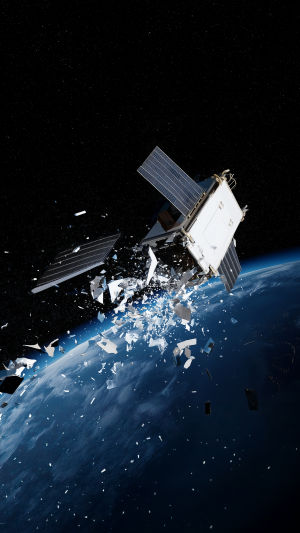
Look up at the night sky, and you'll see stars, planets, and maybe even a passing satellite. But there's another, less glamorous aspect of space that most of us never consider: space junk.
These tiny fragments of old satellites, rocket parts, and even paint chips from spacecraft are speeding around Earth, and they pose a serious threat to our space-based technology.
As our reliance on satellites grows—whether for communication, GPS, or weather forecasting—the risks of colliding with space debris are increasing. So, how do we tackle the growing problem of space junk and keep Earth's orbit safe?
<h3>The Growing Problem of Space Junk</h3>
Space debris, also known as "space junk," is any human-made object in orbit that no longer serves its original purpose. This can include defunct satellites, spent rocket stages, and fragments from previous collisions. The real concern? These objects travel at incredibly high speeds—up to 17,500 mph (28,000 km/h)—and even a small piece of debris can cause significant damage to active spacecraft.
<b>Types of Space Junk:</b>
Non-functional Satellites: Hundreds of satellites are floating in space, no longer working but still posing a risk due to their size and speed.
Rocket Stages: These are remnants from the rocket launch process, often left in orbit once their mission is complete.
Fragmented Debris: When satellites or rockets collide, they break into thousands of smaller pieces, which can remain in orbit for decades.
<h3>Why Space Debris Is a Threat</h3>
Space junk isn't just floating harmlessly around—its impact could have serious consequences. Collisions with debris are one of the biggest threats to satellites, which are essential for communications, weather forecasting, and national security. A single collision could cause millions of dollars in damage or even put astronauts at risk. In fact, the International Space Station (ISS) is constantly adjusting its orbit to avoid collisions with space debris.
<b>Why It's So Dangerous:</b>
High Velocity: At speeds of 17,500 mph, even a small piece of debris can destroy or severely damage a satellite.
Risk to Astronauts: Space junk can be a serious danger to astronauts aboard the ISS or other space missions. Even tiny debris can puncture spacecraft, potentially causing life-threatening situations.
Cascading Collisions: If debris collides with other objects, it can break into even smaller pieces, creating a "domino effect" where more and more debris is generated, further increasing the risk to active satellites.
<h3>Efforts to Mitigate Space Debris</h3>
The increasing amount of space junk is a major concern for space agencies around the world. In response, scientists and organizations are exploring ways to clean up Earth's orbit and prevent further accumulation of debris. While it's not an easy task, there are several strategies that could help reduce the risks associated with space junk.
<b>Methods for Tackling Space Debris:</b>
Active Debris Removal: This involves using robotic spacecraft or other technology to capture and de-orbit large pieces of space junk. For example, Japan's JAXA agency is testing a mission that will use a “harpoon” to catch and pull space debris out of orbit.
Spacecraft Design: Newer satellites are being designed with the goal of reducing debris. This includes “passivation,” which ensures that satellites won't explode after they stop functioning, and using materials that are less likely to break into small pieces.
Orbital Debris Monitoring: Space agencies are increasing efforts to track space junk with radar and advanced sensors. By monitoring and predicting the movement of space debris, we can better anticipate and avoid potential collisions.
<h3>International Collaboration on Space Safety</h3>
Space debris is a global issue that requires international cooperation. Since space is shared by many countries, it's crucial that nations work together to manage and mitigate the risks of space junk. Several international agreements and guidelines are being developed to ensure that space is kept safe for future generations.
<b>Collaborative Efforts to Ensure Safety:</b>
UN Guidelines: The United Nations Office for Outer Space Affairs (UNOOSA) has established guidelines to help countries prevent and reduce the creation of space debris. These include the requirement to de-orbit defunct satellites within 25 years of their mission's end.
International Space Debris Conference: Countries and private companies meet regularly to discuss solutions to space junk. This fosters collaboration in developing technology to reduce debris and establish global norms for debris management.
Private Sector Involvement: Many private companies are working on technologies for debris removal and better satellite management. This will be key to ensuring the future safety of space operations.
<h3>What You Can Do About Space Junk</h3>
While the issue of space debris may seem far removed from daily life, it's something that everyone can be aware of. As space technology continues to grow and evolve, we all have a stake in keeping Earth's orbit safe. One way to contribute is by supporting organizations and policies that promote responsible satellite management and space debris mitigation.
<b>Actions to Take:</b>
Support Sustainable Space Practices: Advocate for laws and policies that require satellite operators to responsibly manage their spacecraft and reduce the creation of space debris.
Stay Informed: Educate yourself and others about space debris and its potential risks. Following developments in space debris mitigation can help raise awareness.
Engage with Space Organizations: Support and follow organizations dedicated to solving the problem of space junk, like the European Space Agency (ESA) and NASA.
<h3>A Clean Orbit for the Future</h3>
Space junk is one of the most pressing issues facing the future of space exploration and satellite technology. As more nations and companies venture into space, the risk of further debris accumulation increases. But through collaboration, innovation, and responsible space practices, we can tackle this issue head-on.
The future of space is bright, but we must ensure that it remains safe and accessible for generations to come. Let's work together to keep our orbit clean!


