

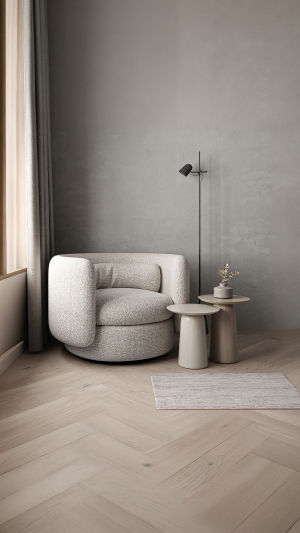
A room can be beautifully decorated and still not feel quite right. Sometimes the furniture is good, the colors work, the arrangement makes sense — and yet the space feels off, slightly institutional, or just not particularly comfortable.
The missing element is usually lighting. Specifically, it's the absence of layered light. Most rooms rely on a single overhead fixture, which produces a flat, even wash of brightness that serves function but doesn't serve atmosphere.
Everything is lit equally, which means nothing is emphasized, no corners feel inviting, no surfaces feel warm. It looks like a well-lit waiting room rather than a room someone actually lives in.
<h3>The Three Layers</h3>
Layered lighting means using at least three types of light sources together, each serving a different purpose.
General or ambient lighting is the foundation — the overhead fixture or ceiling light that provides basic illumination and lets you move around the room safely. This can be a pendant, a chandelier, a flush mount, or recessed lighting. It's necessary but not sufficient.
Task lighting is focused light placed where you actually do things: a table lamp next to a reading chair, a pendant over a kitchen island, a desk lamp for working. Its job is to illuminate a specific area at a practical level without lighting the whole room.
Accent lighting is where warmth and character come from. Wall sconces that wash a soft glow sideways across a wall, small lamps tucked onto a bookshelf, a floor lamp beside a sofa, LED strips behind furniture or along shelves, a candle on a side table. These are the sources that create pockets of light and shadow — and it's the contrast between the two that makes a space feel intimate and comfortable rather than uniformly exposed.
<h3>Bring Light Down to Eye Level</h3>
One of the most important adjustments in creating a warm room is simply moving some of the light downward. A lamp on a side table, a sconce at shoulder height, or a floor lamp beside a chair creates light at the level where you actually perceive it most — at eye level or below. This immediately makes the room feel more personal, more settled, and more comfortable than overhead light alone can achieve.
A reading chair beside a good lamp, with the rest of the room dimmed, is one of the coziest atmospheres a home can have. It costs almost nothing to create.
<h3>The Bulb Matters as Much as the Fixture</h3>
Even the most beautiful lamp will produce harsh, cold light if fitted with the wrong bulb. Warm white bulbs rated between 2700K and 3000K produce the soft, golden quality that reads as cozy and restful. Anything cooler — 4000K and above — tends to feel clinical and alert, more suitable for bathrooms and workspaces than living rooms and bedrooms.
Use lower wattages in living areas and bedrooms: 40 to 60 watts creates a soft glow that doesn't overwhelm. Where possible, install dimmers on overhead fixtures — having the ability to lower ambient light in the evenings is the single most effective way to shift a room's atmosphere instantly.
<h3>Pockets of Light Over Uniform Brightness</h3>
The goal isn't a bright room. It's a room with the right kind of light in the right places. Some of the most comfortable, inviting rooms are ones where not every corner is equally lit — where there are glowing pools of warmth near seating areas, soft light spilling from a lamp in a corner, a candle or two on a surface. This unevenness creates depth and texture that uniform brightness cannot.
Start with one lamp and one dimmer switch. Adjust them in the evening and notice how the room changes. That adjustment, multiplied across a few more sources over time, is what turns a well-decorated room into one that actually feels like home.
Ultimately, good lighting is about more than visibility—it is about emotional comfort. The way a room is lit affects your mood, your stress levels, and even how long you want to stay in it. By intentionally creating shadows and warm focal points, you reclaim your space from the cold efficiency of modern construction.
Lighting is the cheapest, fastest renovation you can make, and it requires no contractor. It simply requires you to care about how your home actually feels after the sun goes down.


