

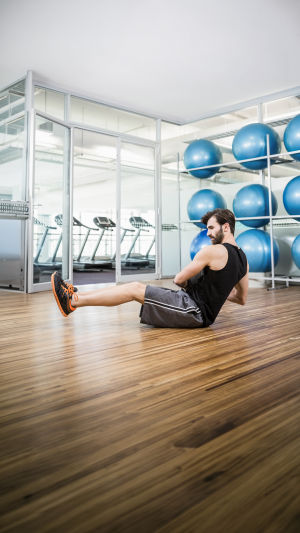
Hi, Readers! Core strength is a bit like the quiet stage crew at a concert.
You may not stare at it, but without it, the whole show gets wobbly fast. In fitness training, the core is not just about a six-pack look.
It includes the muscles around your trunk and pelvis that help you stay stable, balanced, and efficient while moving.
A strong core supports your spine and helps transfer force between your upper and lower body. That means whether you are lifting a grocery bag, climbing stairs, reaching for something on a high shelf, or doing squats at the gym, your core is there like a trusty backstage manager keeping everything from turning into chaos.
When these muscles are weak, other areas may try to pick up the slack, which can lead to poor movement patterns and discomfort.
<h3>What the core really does</h3>
Your core acts as the central link in many movements. It helps stabilize your body, improve balance, and maintain posture. It also plays a major role in protecting the spine during exercise and daily activities. Stuart McGill, professor of spine biomechanics, states, “Core stiffness is mandatory. It is absolutely essential to carry heavy loads, run fast and change direction quickly.”
A well-trained core can make movements feel smoother and more controlled, rather than floppy like a shopping bag with one broken handle.
Core strength is not only useful for athletes. It matters for nearly everyone because so many daily tasks depend on coordination between the trunk, hips, and shoulders. A good core function can support better movement mechanics and may help reduce the chance of strain during training.
<h3>Why it matters in training</h3>
In workouts, a strong core can improve exercise form and efficiency. Many compound exercises, such as squats, deadlifts, push-ups, and overhead movements, rely on the core to keep the body aligned. If the middle of the body is unstable, power leaks out like air from a loose balloon. You work harder, but the movement gets messier.
Core training can also help with balance and control, which matter in activities like running, cycling, and strength training. Better control often means cleaner technique, and cleaner technique usually means training feels safer and more effective. It is not about endless crunches either. Planks, bridges, bird-dogs, and controlled rotational work can all help train the core in practical ways.
<h3>More than looks</h3>
A lot of people hear the word core and think only about visible stomach muscles. That is like judging a house by the doormat. The deeper muscles matter just as much, because they help stabilize the spine and pelvis. Training these muscles can support posture and make everyday movement easier and more comfortable.
The benefits may also carry into routine life. Standing for long periods, sitting with better alignment, and moving with more control all lean on core function. For many people, improving core strength is less about appearance and more about building a reliable foundation for the rest of the body.
<h3>How to train it well</h3>
Good core training focuses on stability, control, and proper breathing. Instead of rushing through repetitions, it helps to move with intention and maintain alignment. Exercises often work best when they challenge the core to resist movement, such as resisting arching, twisting, or tipping. That is where the real magic happens.
A balanced routine may include planks, side planks, bridges, dead bugs, and bird-dogs, along with larger full-body exercises that naturally involve the core. The goal is not to punish your middle with endless reps, but to teach it to do its job well during real movement.
In short, core strength is important because it supports balance, posture, stability, and efficient movement in both training and daily life. Think of it as the body’s reliable center pole in a tent. If that pole is sturdy, everything around it works better. If you are building a fitness routine, giving your core regular attention is a smart move that can pay off far beyond the gym.


