

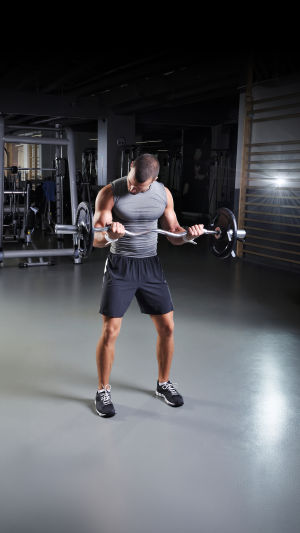
Lykkers! Building strength is about more than lifting heavier weights—it also requires proper technique.
Good lifting form helps improve performance, reduces unnecessary strain on the body, and supports long-term progress.
By focusing on safe movement patterns, you can train with greater confidence while protecting your back from avoidable injuries.
<h3>Keep Your Spine Neutral</h3>
Your spine has a natural curve, and maintaining that alignment during lifts should always be a priority. Imagine a straight line running from your head to your tailbone. Avoid rounding your upper back or excessively arching your lower back. When hinging at the hips, move them backward as though reaching behind you. This helps transfer the load to your legs and glutes rather than your lower back. Practice the movement without weight first, and keep your head and neck in a comfortable, neutral position to support proper alignment.
<h3>Engage Your Core Muscles</h3>
Before lifting, gently brace your core by tightening your abdominal muscles while maintaining steady breathing. This natural support helps stabilize your spine throughout the movement. A strong core is important for far more than abdominal exercises—it plays a key role in maintaining balance and control during every lift. Take a deep breath, brace your core, and maintain that stability as you perform the exercise.
<h3>Use Your Legs and Hips</h3>
A common lifting mistake is bending over with straight legs, which places unnecessary strain on the lower back. Instead, push your hips back and bend your knees enough to achieve a comfortable and stable lifting position. Keep your back neutral throughout the movement and drive through your heels as you stand. Think of the movement as a combination of a squat and a hip hinge, allowing your powerful leg muscles to generate most of the force.
<h3>Control the Movement</h3>
Good lifting technique depends on control rather than speed. Lower the weight slowly and with purpose, avoiding the use of momentum or allowing it to drop too quickly. Maintaining control during both the lifting and lowering phases improves stability, reinforces proper technique, and helps reduce unnecessary strain. Aim to lower the weight over about two seconds, pause briefly, and then lift smoothly with controlled power. If you find yourself bouncing or jerking the weight, reduce the load and focus on maintaining good form. Quality always outweighs quantity.
<h3>Breathe Properly</h3>
Proper breathing helps support stability throughout each lift. Inhale deeply before beginning the movement, brace your core, and exhale steadily as you push or pull the weight. Developing a consistent breathing pattern improves control and coordination while helping you maintain good technique. Practice this rhythm with lighter weights until it becomes second nature.
Proper lifting form is a skill that develops through consistent practice. Start with manageable weights, focus on mastering your technique, and gradually increase the challenge as your strength and confidence grow. Prioritizing safe movement today will help build a stronger foundation for long-term fitness, better performance, and more enjoyable training.


