

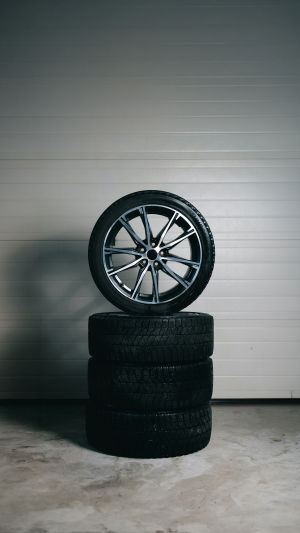
When it comes to keeping your vehicle running smoothly, tires play a major role. Although they often go unnoticed during daily driving, the right set of tires can significantly improve safety, fuel efficiency, ride comfort, and overall performance.
Selecting the right tires does not have to be complicated. By understanding a few key factors, you can make a confident and informed decision.
<h3>Understanding Tire Size</h3>
One of the most important factors in choosing tires is size. Tire size is represented by a combination of letters and numbers, such as P215/65R16. Each part provides specific information:
- P – Indicates the tire is designed for passenger vehicles.
- 215 – Represents the tire width in millimeters. A wider tire increases road contact and can improve grip.
- 65 – Shows the aspect ratio, meaning the height of the sidewall as a percentage of the width. A higher value generally provides a smoother ride.
- R – Indicates radial construction, which is the most common tire structure.
- 16 – Represents the wheel diameter in inches. The tire must match this size.
It is recommended to follow the vehicle manufacturer’s specified tire size unless changes are made for specific performance needs. Incorrect sizing may affect handling, fuel efficiency, and safety.
<h3>Choosing the Right Tread Type</h3>
Tread patterns are designed to perform in different road and weather conditions:
- All-Season Tires – Provide balanced performance in dry, wet, and light winter conditions. Suitable for moderate climates.
- Winter Tires – Designed for cold temperatures, snow, and icy surfaces, offering improved traction in harsh conditions.
- Performance Tires – Built for enhanced grip and handling, especially at higher speeds and during cornering.
- Off-Road Tires – Designed for uneven surfaces such as dirt, gravel, and mud, with deeper tread patterns for better traction.
The right tread type depends on your driving environment and typical weather conditions.
<h3>Selecting a Tire Category</h3>
Tires are generally grouped into categories based on cost and performance:
- Budget Category – Basic functionality at a lower cost, but may have shorter lifespan and reduced performance.
- Mid-Range Category – Balanced combination of durability, comfort, and performance.
- Premium Category – Enhanced durability, improved grip, quieter ride, and longer lifespan.
Your choice should match your driving needs, expectations, and budget.
<h3>Maintaining Your Tires</h3>
Proper maintenance is essential for extending tire life and ensuring safe driving:
- Maintain Proper Air Pressure – Incorrect pressure can lead to uneven wear and reduced performance.
- Rotate Tires Regularly – Helps ensure even wear across all tires.
- Check Wheel Alignment and Balance – Misalignment or imbalance can cause vibration and uneven tread wear.
- Inspect for Damage – Look for cuts, punctures, or unusual wear patterns and address issues early.
Choosing the right tires is an important decision that directly affects safety, comfort, and driving performance. By understanding tire size, tread types, and maintenance practices, you can make a well-informed choice.
A properly selected set of tires is an investment in safer, smoother, and more efficient driving.


