

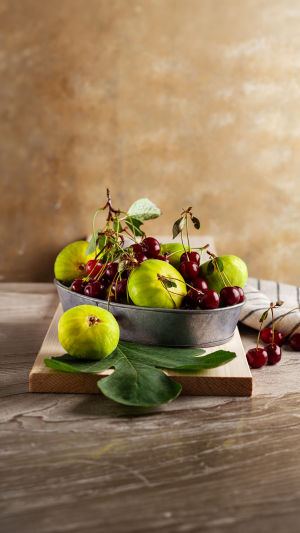
Hi, Readers! Fresh figs feel a little special the moment you cut one open.
They are soft, sweet, and packed with tiny seeds that give each bite a lovely texture. Cherries bring their own bright charm too, with a juicy pop and deep color that makes a bowl of fruit feel extra inviting.
<h3>What Fresh Figs Contain</h3>
If you have been curious about the nutrition of fresh figs and cherries, this is a warm little guide to help you get to know them better.
Fresh figs are the fruit of the fig tree, and they have been enjoyed for a very long time in many parts of the world. They are delicate and do not stay fresh for very long, which is one reason they can feel like such a treat.
Nutritionally, fresh figs offer dietary fiber, which can help support comfortable digestion and help you feel satisfied after eating. They also provide natural sugars for quick energy, along with small amounts of important minerals such as potassium, calcium, and magnesium. These nutrients support everyday body functions, including fluid balance and muscle function. Fresh figs also contain antioxidants and plant compounds that help protect cells from daily stress.
According to Christopher Gardner of the Stanford Prevention Research Center, fresh figs are "a nutritious addition to a balanced eating pattern" because they provide dietary fiber as well as minerals such as potassium and magnesium.
<h3>What Fresh Figs Offer</h3>
One of the nicest things about fresh figs is that they give sweetness along with fiber. That combination can feel more balanced than reaching for many highly processed sweets. Fresh figs also contain vitamin K and a modest amount of vitamin B6. Their soft flesh and edible skin make them easy to enjoy without much preparation. You can rinse them gently, remove the stem, and eat them whole, or slice them into breakfast bowls, salads, and simple desserts. Because they are naturally sweet, they pair well with plain dairy options, oats, nuts, and leafy greens.
<h3>Why Cherries Stand Out</h3>
Cherries are loved for their rich color, and that color points to helpful plant compounds called anthocyanins. These antioxidants are often discussed for their role in supporting overall wellness and helping the body handle oxidative stress. Cherries also provide vitamin C, potassium, and fiber, especially when eaten fresh and whole. Their refreshing taste makes them an easy snack, and they work beautifully in fruit bowls or stirred into cool dishes. Sweet cherries and tart cherries differ in flavor, but both can be part of a nourishing eating pattern.
<h3>How They Compare</h3>
Fresh figs and cherries each bring something a little different to the table. Figs are softer, sweeter, and often a bit higher in natural sugar per serving, while cherries are juicy and usually feel lighter and brighter. Figs are especially appreciated for their fiber and mineral content, while cherries are often noticed for vitamin C and colorful antioxidants. If you enjoy variety, there is no need to choose only one. They complement each other very well, both in flavor and in nutrition.
<h3>Simple Ways To Enjoy Them</h3>
Fresh figs can be halved and added to oatmeal, layered over toast with a mild spread, or tucked into a salad with greens and nuts. Cherries are wonderful washed and eaten as they are, with pits removed before serving in mixed dishes. You can also combine sliced figs and cherries in a fruit plate for a naturally sweet snack. When choosing figs, look for fruit that is soft but not leaking, with a gentle fragrance. For cherries, look for smooth skin, rich color, and stems that still look fresh and green.
Fresh figs and cherries are both beautiful examples of how fruit can be comforting, nourishing, and full of character. If you spot them at the market, it may be worth bringing some home and trying a simple bowl first so you can really enjoy their natural flavor. Sometimes the best nutrition starts with small, joyful choices that feel easy to welcome into everyday life.


