

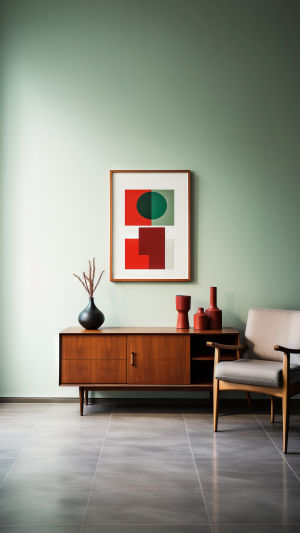
Art has long served as a powerful means of expressing ideas, emotions, and experiences.
While many artworks depict recognizable people, places, or objects, abstract art takes a different approach by emphasizing color, form, line, texture, and composition rather than focusing solely on realistic representation.
Instead of portraying subjects exactly as they appear, it encourages viewers to experience the emotions and ideas they evoke. This distinctive visual language inspires imagination and personal interpretation, making every viewing experience meaningful in its own way.
<h3>Color as an Emotional Language</h3>
Color is one of the most influential elements in abstract art. Rather than serving as mere decoration, different colors can evoke feelings of energy, calmness, warmth, balance, or movement. Vibrant color combinations often create a sense of excitement, while softer tones encourage quiet reflection. Because color can communicate emotion without relying on words, it becomes a powerful visual tool for expressing ideas that are difficult to convey through realistic imagery alone.
<h3>The Power of Form and Shape</h3>
Forms and shapes play a significant role in guiding the viewer's attention and establishing visual meaning. Geometric forms often convey structure, stability, and order, while flowing, organic shapes suggest freedom and natural movement. The relationship between large and small forms, open and enclosed spaces, and smooth or textured surfaces creates visual rhythm, encouraging viewers to explore the artwork from multiple perspectives and discover new connections.
<h3>Creative Expression Beyond Reality</h3>
Abstract art enables artists to move beyond the objective of accurately reproducing the visible world. Instead, it places creative expression at the center of the artistic process. Every artistic decision—from the placement of colors to the direction of lines and the arrangement of forms—contributes to communicating ideas, emotions, or personal experiences. This creative freedom makes abstract art a deeply individual form of expression, where meaning emerges through observation and interpretation rather than direct representation.
<h3>The Role of Personal Interpretation</h3>
Unlike realistic artworks that often present familiar subjects, abstract art invites viewers to interpret each composition through their own experiences, emotions, and perspectives. As a result, two individuals may respond differently to the same artwork, and each interpretation can offer valuable insight. This openness encourages curiosity, thoughtful reflection, and a deeper appreciation of the many ways visual art can communicate beyond literal representation.
<h3>Looking Beyond the Surface</h3>
Appreciating abstract art often begins with careful observation. Rather than asking what the artwork represents, viewers may consider how its colors, shapes, textures, and overall composition influence their thoughts and emotions. Examining these visual elements reveals how artistic choices communicate meaning, transforming the experience from simply viewing a painting into an active exploration of its ideas and expressive qualities.
Abstract art demonstrates that meaningful communication does not depend solely on realistic images or written language. Through the thoughtful use of color, form, texture, and composition, it creates opportunities for emotional connection, imagination, and personal interpretation. By looking beyond outward appearances and embracing creative expression, viewers can develop a deeper appreciation of how visual art communicates ideas and emotions that words alone cannot fully express.


