

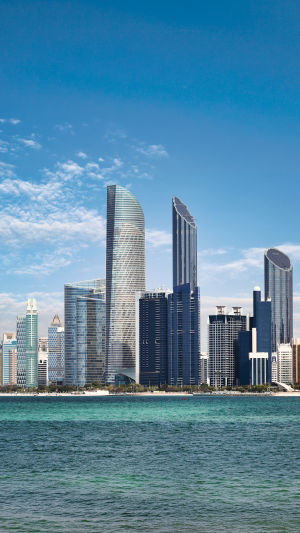
Have you ever visited a new city and noticed how familiar it feels? Glass towers, contemporary shopping centers, and residential buildings with similar designs have become common features of urban landscapes around the world.
While every city has its own history and cultural identity, many modern developments share comparable architectural characteristics.
This similarity is the result of globalization, evolving planning practices, advances in digital technology, and changing design priorities that continue to influence architecture today.
<h3>Globalization Shaped Modern Architecture</h3>
Architecture has traditionally reflected local culture, climate, craftsmanship, and the materials available within a region. As global communication, professional collaboration, and access to architectural knowledge expanded, designers began exchanging ideas more frequently across international markets. This broader exchange encouraged the adoption of contemporary design principles, including glass façades, clean geometric forms, and open interior layouts. Although regional architectural traditions remain important, many new developments now incorporate internationally recognized design approaches while adapting them to local conditions.
<h3>Urban Planning Influences City Development</h3>
Urban planning regulations play a fundamental role in determining how cities grow and evolve. Standards governing building height, floor area, setbacks, accessibility, public spaces, and safety help create well-organized, efficient, and livable communities. Because architects often work within similar planning frameworks, buildings constructed in the same district frequently share comparable proportions and visual characteristics while still allowing opportunities for architectural creativity and innovation.
<h3>Digital Technology Is Transforming Architectural Design</h3>
Digital technology has significantly improved the architectural design process by enhancing planning, visualization, coordination, and project management. Building Information Modeling (BIM) enables multidisciplinary teams to collaborate more effectively, improve design accuracy, and reduce construction inefficiencies. Standardized digital libraries and reusable design components can contribute to greater visual consistency across projects, while these same technologies also provide architects with powerful tools to create distinctive, high-performing, and innovative buildings.
<h3>The Lasting Influence of Minimalist Design</h3>
Minimalism has become one of the defining characteristics of contemporary architecture. Its emphasis on simplicity, functionality, clean lines, uncluttered spaces, and balanced proportions creates buildings that are practical, adaptable, and visually timeless. Combined with generous natural lighting and flexible interior layouts, minimalist principles continue to shape residential, commercial, and public architecture, contributing to a consistent modern aesthetic across many urban environments.
<h3>Sustainability and Local Identity</h3>
Contemporary architecture increasingly seeks to balance global design trends with environmental responsibility and local character. Sustainable design strategies, energy-efficient building systems, climate-responsive solutions, and the thoughtful use of locally appropriate materials help reduce environmental impacts while strengthening a building's connection to its surroundings. By integrating regional identity into modern design, architects are creating buildings that are both innovative and meaningful to the communities they serve.
The similarities seen across many modern cities are not the result of a single design trend but of multiple factors working together. Global collaboration, urban planning standards, digital design technologies, minimalist architecture, and sustainability have collectively influenced the appearance of contemporary buildings. At the same time, growing recognition of local identity and environmental responsibility is encouraging more diverse and context-sensitive architecture. As cities continue to evolve, the most successful designs will balance efficiency, innovation, sustainability, and regional character, creating urban environments that are both functional and distinctive.


