

Imagine you're cruising down the highway, with your car steering itself, adjusting speed, and even making lane changes.
Sounds futuristic, right? But in the world of autonomous vehicles, this is just one step on a gradual path toward total self-driving technology.
This journey is broken down into five levels of automation, from basic driver assistance (L1) to full autonomy (L5).
Understanding these levels is crucial, whether you're a potential buyer of autonomous vehicles or simply curious about how close we are to fully driverless cars. Let's break it down.
<h3>Level 1: Driver Assistance</h3>
At Level 1, your vehicle's technology is designed to assist you but still requires you to be fully engaged in the driving process. This means the car may have basic features like cruise control, lane-keeping assist, or automatic emergency braking—but you, the driver, are still in control at all times.
<b>Adaptive Cruise Control</b>
One of the most common Level 1 features is adaptive cruise control, which automatically adjusts your car's speed to maintain a safe distance from the vehicle ahead. However, the driver must still be alert, ready to take over if necessary.
If your car has adaptive cruise control, use it on highways to reduce strain during long drives. Just remember, always keep your hands on the wheel and stay focused!
<h3>Level 2: Partial Automation</h3>
Level 2 adds more sophistication, combining features like adaptive cruise control with steering assistance, allowing the car to control both speed and direction in certain situations. However, the driver must still monitor the vehicle's performance, ready to take over if needed.
<b>Tesla Autopilot</b>
Tesla's Autopilot is a good example of Level 2 autonomy. It can steer, accelerate, and brake on its own, but the driver must keep their hands on the wheel and remain engaged with the driving task.
If you have a Level 2 system, use it in traffic or on long highways, but always keep an eye on the road to be prepared to intervene.
<h3>Level 3: Conditional Automation</h3>
Level 3 vehicles can handle most driving tasks under certain conditions, but the driver is required to intervene if requested by the system. This level represents a significant step toward self-driving cars, as the vehicle can monitor its environment and make decisions, but a human is still needed for safety.
<b>Audi's Traffic Jam Pilot</b>
Audi's Traffic Jam Pilot, which is currently being developed, is an example of Level 3 autonomy. The car can drive itself in traffic jams, making decisions like braking, accelerating, and changing lanes. However, the driver needs to be ready to take over if something unexpected happens.
Keep your hands close to the wheel and stay alert, even though the car is doing much of the work. If the system asks you to take control, be prepared to respond quickly.
<h3>Level 4: High Automation</h3>
Level 4 vehicles are capable of fully driving themselves, but only in specific scenarios or geofenced areas, such as urban centers or designated roads. In these cases, the car can handle all aspects of driving without human intervention. However, if the car leaves its designated area, human intervention is required.
<b>Waymo's Autonomous Taxis</b>
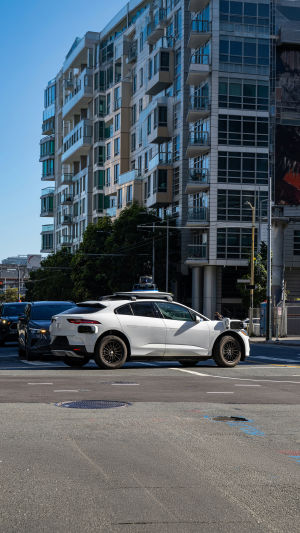
Waymo is testing Level 4 autonomous taxis in certain areas. These vehicles can drive themselves without a human behind the wheel, but they are restricted to specific locations where they are fully mapped and monitored.
If you're using a Level 4 vehicle, relax and enjoy the ride! Just make sure you're aware of where the car can and cannot go, as it won't be able to drive outside certain areas.
<h3>Level 5: Full Automation</h3>
At Level 5, the car is fully autonomous in every situation, on any road, in any condition. No human driver is needed. The vehicle is capable of handling all aspects of driving, from navigation to traffic management, without any human input whatsoever.
<b>The Fully Driverless Future</b>
Level 5 autonomy represents the ultimate goal for autonomous vehicles. Companies like Tesla, Waymo, and others are working toward this level, which would render the concept of a human driver obsolete.
Level 5 is not yet available, but the moment it arrives, it will revolutionize the transportation industry. No more steering wheels, no more pedals—just hop in and let the car take you wherever you need to go!
<h3>The Road Ahead: What's Next for Self-Driving Cars?</h3>
The journey from L1 to L5 is more than just a technological challenge—it's also about changing how we think about transportation. As we move closer to fully autonomous vehicles, the world will see dramatic shifts in car ownership, city design, and transportation infrastructure.
While full autonomy (L5) may still be years away, the progress from Level 1 to Level 4 is already changing the way we drive and interact with vehicles. As the technology improves, so too will the safety, efficiency, and accessibility of transportation.
The future of self-driving cars is nearer than you might think—and it's an exciting time to be watching it unfold!


