

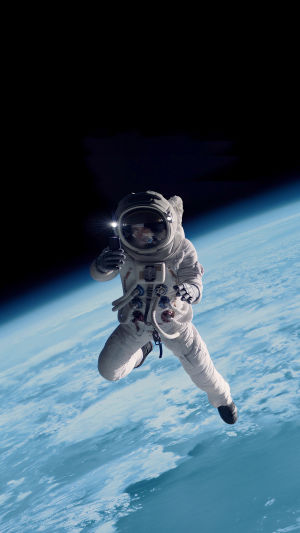
Space exploration is not only a journey through the universe; it is also a journey into the limits of human biology.
When astronauts spend extended periods beyond Earth, their bodies experience an environment unlike anything found on the planet. Without the constant pull of gravity, the human body must adapt to changes affecting muscles, bones, fluids, balance, sleep patterns, and other essential systems.
Studying these adaptations provides valuable knowledge about how humans respond to extreme environments. This research helps scientists develop strategies to protect astronaut health and improve the safety of future missions that may travel farther into space.
<h3>How Microgravity Affects the Human Body</h3>
Gravity plays an essential role in maintaining the strength and function of the human body. In space, astronauts experience microgravity, a condition where the feeling of weight is greatly reduced. Because daily activities require less physical effort, the body begins adjusting to this unusual environment.
One of the most noticeable changes occurs in the muscles. Since astronauts no longer need to support their body weight in the same way as they do on Earth, certain muscles can gradually lose strength and endurance. Regular exercise programs during missions help maintain physical condition and reduce these effects.
The cardiovascular system also adapts to life in space. Without normal gravity pulling fluids downward, body fluids shift toward the upper part of the body. This changes how the heart and blood vessels function, requiring the body to adjust. After returning to Earth, astronauts need time for their circulation and movement systems to readapt to normal gravity.
<h3>Changes in Bones and Physical Structure</h3>
Bones continuously undergo a natural process of renewal, where old tissue is removed and new tissue is formed. On Earth, gravity provides mechanical forces that help maintain strength. During long periods in microgravity, reduced physical loading can affect this balance and contribute to changes in density.
Understanding these changes is essential for preparing astronauts for longer missions. Scientists continue to study exercise methods, nutrition strategies, and other approaches that help maintain strong bones and support astronaut health during extended periods in space.
<h3>The Brain, Movement, and Balance in Space</h3>
Spaceflight also changes how astronauts control movement and understand their surroundings. On Earth, the brain combines signals from the eyes, inner ear, and muscles to maintain balance and determine body position. In microgravity, these signals become different because there is no clear sense of “up” or “down.”
Over time, astronauts learn new ways to move and complete tasks in this environment. When they return to Earth, their bodies must adjust again to gravity, which can temporarily affect coordination, balance, and movement control.
<h3>Sleep Patterns and Mental Performance</h3>
Life in space creates a different daily rhythm compared with life on Earth. Space environments can experience repeated cycles of light and darkness, which may influence the body’s internal timing system and sleep patterns.
Healthy sleep is important because astronauts must maintain focus, accuracy, and decision-making abilities while completing complex tasks. Researchers continue studying how lighting conditions, schedules, and mission environments influence alertness and mental performance during spaceflight.
<h3>Preparing Humans for Longer Space Missions</h3>
Understanding how space affects the human body is one of the most important challenges in preparing for extended exploration. Longer missions require advanced solutions to support astronaut health throughout journeys that may last many months or longer.
Research in space biology helps scientists improve training methods, medical support systems, and technologies designed to protect human performance in challenging environments. These discoveries also provide greater understanding of how the human body adapts when exposed to conditions far different from those on Earth.
Astronauts reveal the remarkable ability of the human body to adapt to one of the most unusual environments imaginable. However, spaceflight also creates challenges that require careful research and preparation.
As humanity continues exploring beyond Earth, understanding the effects of space on the body will become increasingly important. The knowledge gained from studying astronauts today will help create safer missions and support the next generation of space exploration.


