

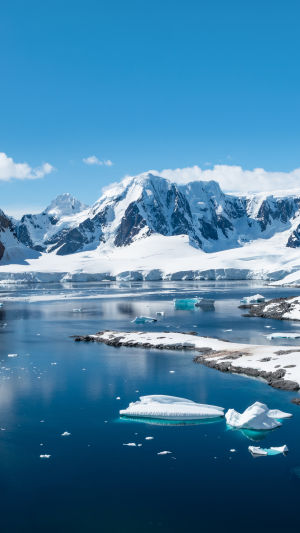
Readers, have you ever dreamed of standing at the edge of the world, surrounded by towering glaciers, icy mountains, and incredible wildlife?
Antarctica is unlike any other destination on Earth. It has no permanent cities, no regular roads, and no traditional tourist attractions. Instead, every moment is about experiencing untouched nature.
Visiting the White Continent requires careful planning, but the memories are unforgettable. Here are five of the best things to do in Antarctica, along with practical travel information to help you prepare.
<h3>How to Get to Antarctica</h3>
Most travelers begin their journey in Ushuaia, Argentina, where expedition cruises depart during the Antarctic travel season from late October to early March. Flights to Ushuaia from Buenos Aires usually cost $120–$350 one way, depending on the season. The most common way to reach Antarctica is by expedition ship crossing the Drake Passage.
Standard cruises typically cost $6,000–$12,000 per person for 10–12 days, while luxury expeditions can exceed $20,000. Some travelers choose a fly-and-cruise package from Punta Arenas, Chile, with prices starting around $9,000, reducing travel time and avoiding the Drake Passage crossing.
Antarctica
<h3>1. Watch Penguins in Their Natural Habitat</h3>
Seeing thousands of penguins living freely is one of Antarctica's greatest highlights. Gentoo, Chinstrap, and Adélie penguins gather in large colonies during the summer breeding season, creating an unforgettable wildlife experience. Guided shore landings are usually included in your expedition cruise, so there is no separate entrance fee beyond your cruise fare. Landings generally take place between 8:00 AM and 6:00 PM, depending on weather and sea conditions.
Visitors must stay several meters away from wildlife and follow strict environmental guidelines. Bringing binoculars helps you observe penguin behavior without disturbing the colonies.
<h3>2. Cruise Among Icebergs and Glaciers</h3>
One of the most breathtaking experiences is sailing through Antarctica's icy waterways, especially around Paradise Bay and the Lemaire Channel. Massive blue icebergs, floating sea ice, and dramatic glaciers surround the ship throughout the journey. Scenic cruising is included in most expedition itineraries at no additional cost.
The best viewing opportunities often occur during daylight hours, although Antarctica enjoys long daylight during the summer months. Photography enthusiasts should bring spare camera batteries because cold temperatures reduce battery life much faster than usual.
<h3>3. Join a Zodiac Boat Excursion</h3>
Small inflatable Zodiac boats allow visitors to explore areas that large expedition ships cannot reach. These excursions bring travelers close to towering ice cliffs, floating icebergs, seals resting on the ice, and seabird. Most cruises include daily Zodiac excursions within the expedition price. Activities typically operate between 7:30 AM and 7:00 PM, depending on weather conditions.
Warm waterproof clothing is essential because sea spray and freezing temperatures can make excursions extremely cold. Guides provide detailed safety instructions before every departure.
<h3>4. Visit Historic Antarctic Research Sites</h3>
Several historic huts built by early Antarctic explorers remain preserved today. Some expedition itineraries include visits to locations such as Port Lockroy, where travelers can learn about polar exploration and modern scientific research. Landing visits are generally included in cruise packages.
Small museums and gift shops usually open during visitor landings, commonly between 9:00 AM and 5:00 PM during the Antarctic tourist season. Some museums accept optional donations or souvenir purchases, while entrance itself is generally free as part of the guided visit.
<h3>5. Experience Antarctic Wildlife Beyond Penguins</h3>
Antarctica is home to much more than penguins. Depending on the season, travelers may spot humpback whales, minke whales, leopard seals, Weddell seals, elephant seals, albatrosses, and numerous seabirds. Wildlife observation is included in your cruise fare without additional charges.
Whale sightings become increasingly common from January through March, when many whales feed in Antarctic waters. Patience is rewarded. Wildlife appears naturally, and experienced expedition guides help identify different species while explaining their unique behaviors.
<h3>Transportation Around Antarctica</h3>
There are no public buses, trains, or rental cars in Antarctica. Transportation is provided entirely by your expedition operator.
<b>Expedition cruise transportation:</b> Included in cruise fare.
<b>Zodiac boat transfers:</b> Included during guided excursions.
<b>Optional kayaking excursion:</b> Approximately $300–$600 per person if offered by your operator.
<b>Camping experience:</b> Around $350–$500 per night as an optional add-on during selected expeditions.
<h3>Where to Stay Before Your Expedition</h3>
Since overnight accommodation in Antarctica itself is generally limited to expedition ships, most travelers spend a night in Ushuaia before departure.
<b>Hotel Albatros</b>
- Rooms from approximately $180–$250 per night.
- Convenient location near the cruise terminal.
<b>Arakur Ushuaia Resort & Spa</b>
- Rooms from approximately $320–$500 per night.
- Offers panoramic mountain views and shuttle services.
<h3>Where to Eat Before Departure</h3>
Most dining takes place onboard your expedition ship after departure. Before boarding in Ushuaia, these restaurants are popular choices.
<b>Kaupe Restaurant</b>
- Seafood and Patagonian specialties.
- Main dishes typically $25–$50.
<b>Isabel Cocina al Disco</b>
- Local Argentine cuisine.
- Meals generally $15–$35.
<h3>Best Time to Visit</h3>
The Antarctic travel season runs from late October through early March.
<b>November:</b> Fresh snow, active penguin courtship, beautiful icy scenery.
<b>December to January:</b> Warmest weather, long daylight, penguin chicks begin to appear.
<b>February to March:</b> Excellent whale watching and abundant wildlife activity.
Temperatures generally range between 20°F and 40°F (-7°C to 4°C) during the tourist season, although wind can make conditions feel much colder.
Antarctica is not a destination filled with shopping streets or famous landmarks. Instead, it offers something far more extraordinary: untouched landscapes, remarkable wildlife, and an experience that few people ever have. If Antarctica is on your travel bucket list, careful planning and choosing the right expedition will help make the journey safe, comfortable, and unforgettable. Which of these five experiences would you want to enjoy first?


