

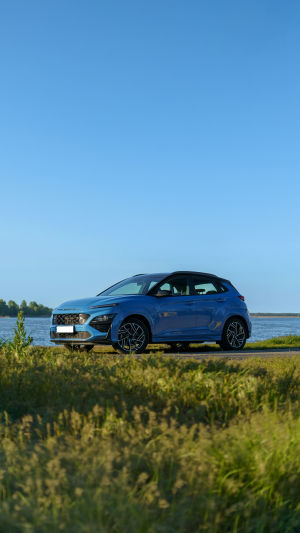
You've probably been there—driving down the highway, minding your own business, when suddenly, a strong gust of wind shakes your car.
It's a common scenario, especially when you're on an open road or near large trucks.
Crosswinds—winds blowing sideways to your car's direction—can be one of the most challenging driving conditions to deal with. But don't panic! With a few simple techniques and some extra awareness, you can safely navigate through even the toughest side winds.
<h3>Understand Crosswinds</h3>
Before we dive into tips, it helps to know exactly what crosswinds are. These winds come from the side of your vehicle and can push your car off course. They are most common on highways or when driving in wide, open spaces, especially if you're in high-profile vehicles like trucks, vans, or SUVs. The stronger the wind, the more challenging it becomes to maintain control of the vehicle.
<b>What makes them dangerous?</b>
• Loss of control: Crosswinds can push your vehicle into another lane or off the road if not managed.
• Effect on large vehicles: Tall vehicles are especially susceptible, as their height makes them more vulnerable to being pushed sideways by gusts.
You're driving a tall SUV, and suddenly a gust from the side pushes the vehicle toward the edge of the lane. Without correcting for it, you might veer off-course into another lane or shoulder.
<h3>Stay Relaxed and Keep Both Hands on the Wheel</h3>
When strong winds start hitting, it's easy to overcompensate and yank the steering wheel. However, this only makes things worse. Instead, try to remain relaxed, keep both hands on the wheel, and maintain a steady grip. Sudden, aggressive movements can cause you to lose control, while small, deliberate adjustments will help you stay on course.
<b>How to handle it:</b>
• Firm but gentle grip: Hold the wheel firmly, but avoid gripping it too tightly. This allows for smoother adjustments.
• Smooth steering: If the wind begins pushing your vehicle, make smooth, gradual corrections instead of quick turns.
If a gust pushes your car right, rather than jerking the wheel hard left, gently steer left to counteract the shift.
<h3>Adjust Your Speed</h3>
When driving in crosswinds, your speed should always be lower than usual, especially when you know wind gusts are coming. High speeds increase the risk of losing control, especially if the wind hits suddenly or unpredictably.
<b>Why slower is safer:</b>
• Increased stability: Slowing down gives you more time to react to gusts.
• Improved control: The slower you go, the less forceful the wind feels, which makes it easier to maintain control.
On a day with strong crosswinds, reducing your speed by 10-15 mph gives you a much better chance of handling gusts without swerving or veering off course.
<h3>Know When to Pull Over</h3>
Sometimes, the wind is just too strong to safely continue driving. If you're feeling uncomfortable, it's always best to pull over and wait it out. Find a safe place—like a rest stop, parking lot, or another area away from other cars—and park until the winds calm down.
<b>When to pull over:</b>
• Unpredictable gusts: If winds are shifting in direction or intensity, it might be best to take a break.
• High-profile vehicles: Trucks, RVs, and vans are particularly vulnerable in strong crosswinds. If you're driving one, take extra caution.
If you're driving a boxy van and the gusts are so strong that your vehicle is being visibly pushed across lanes, it's better to pull over and wait for conditions to improve.
<h3>Choose the Right Lane</h3>
If you find yourself driving in areas with crosswinds, positioning your vehicle correctly can help reduce the impact. If you're on a multi-lane highway, try to stay in the center lane, which offers more shelter from the wind. Being closer to larger vehicles or barriers can also offer some protection from side gusts.
<b>Why lane choice matters:</b>
• Shelter from wind: Other vehicles, highway barriers, or even trees can block some of the wind's force.
• Less exposure: Driving in the middle lane minimizes the amount of wind hitting your vehicle compared to lanes on the edge of the road.
On a windy highway, stay between trucks or large vehicles to create a windbreak. This can make a significant difference in the ease of driving.
<h3>Pay Attention to Weather Reports</h3>
Before you head out, it's always a good idea to check the weather. Crosswinds are more common during stormy weather or when strong fronts are moving through, and weather apps or radio stations can provide wind warnings. If strong winds are expected, you can plan your trip for later in the day or consider an alternate route.
<b>How to prepare:</b>
• Wind alerts: Set up weather alerts for wind speeds in your area. This will help you decide if it's worth heading out.
• Plan ahead: If the weather report predicts strong winds, consider postponing your trip or driving in the morning when winds are lighter.
If you know that a cold front is coming with gusty winds, you might opt to take a different route or leave earlier in the day to avoid the worst of the wind.
<h3>Check Your Vehicle's Condition</h3>
Maintaining your car is essential for dealing with extreme conditions like strong crosswinds. Tires, suspension, and steering alignment all play a role in how well your car handles side winds. Make sure these components are in good shape before hitting the road.
<b>What to check:</b>
• Tires: Ensure they're properly inflated and have enough tread.
• Suspension: A good suspension system helps absorb bumps and keeps your car stable.
• Alignment: Proper wheel alignment ensures your vehicle responds predictably to steering adjustments.
If your tires are worn down or your suspension is faulty, you'll feel every gust more sharply, making your car harder to control in windy conditions.
<h3>Keep Calm and Drive Smart</h3>
Dealing with crosswinds while driving doesn't have to be a nerve-wracking experience. By understanding how wind affects your car, making smooth adjustments to your speed and steering, and knowing when to pull over, you can stay safe in even the most gusty conditions.
Always remember that safety comes first. If you're ever in doubt, slow down, stay calm, and make the decision to pull over if necessary. Safe driving isn't just about avoiding accidents; it's about staying prepared for anything the road throws at you.


