

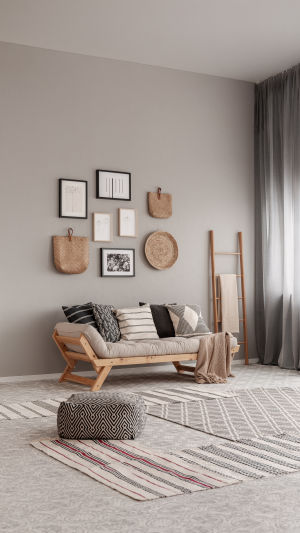
Hi, Readers! It feels so natural to start decorating with the biggest piece in the room, especially when that piece seems like the one everything else will revolve around.
A sofa looks important, and it is, but choosing it first can quietly box you in before the room has had a chance to become what you really want.
If you begin with the whole space instead of one major item, it becomes much easier to create a room that feels balanced, comfortable, and truly pulled together.
Designers often point out that a sofa is only one part of a much larger mix. When it is picked too early, it can steer every later decision in a narrow direction. Color, shape, scale, and texture all start reacting to that one choice, and suddenly the room is serving the sofa instead of supporting your life.
That is why many people find the process easier when they begin with a broader plan, then bring in the sofa once the room's needs and mood are clearer.
<h3>Start with the full room</h3>
Before settling on a sofa, it helps to think about how the room should look and feel as a whole. Consider the mood you want, the colors that make the space feel calm or lively, and how people will move through it. A room is not just a seating zone.
It may need to hold conversation, reading, relaxing, storage, and everyday routines all at once. When you step back and shape that bigger vision first, the sofa becomes one thoughtful part of a complete story.
This approach also helps with proportion. A sofa that looks perfect on its own can feel too bulky, too delicate, too long, or too deep once other pieces enter the room. Rugs, side tables, lighting, art, and layout all affect what kind of sofa will actually work. Waiting gives you room to measure carefully and avoid forcing a large purchase into a plan that no longer fits.
<h3>Let key details guide you</h3>
Many designers prefer to begin with elements that are harder to match later, such as a rug, artwork, or a favorite accent chair. Those pieces can carry more personality, more pattern, or a more specific color story.
Once they are in place, choosing a sofa becomes simpler because the direction is already established. Instead of asking a sofa to create the entire room, you are asking it to support what is already working. This can be especially helpful if you are drawn to a sofa in a bold tone or unusual silhouette.
A dramatic piece might be beautiful, but if it is chosen first, you may spend the rest of the project trying to make everything else cooperate. If, instead, the room's palette and personality are already clear, you can tell whether that statement sofa belongs there or whether a quieter piece would do a better job.
<h3>Function matters as much as looks</h3>
Another reason to wait is simple: practical needs deserve just as much attention as style. The right sofa depends on how you actually live. Do you stretch out for movie nights, host guests often, need easy-clean fabric, or want something that leaves more floor space visible? Those answers become clearer after you have considered the room's flow and purpose.
When the sofa comes later in the process, you are more likely to choose one with the right dimensions, seat depth, material, and placement. That can save you from expensive mistakes and from that frustrating feeling that something looks fine in a showroom but never feels right at home. Decorating gets less stressful when each decision supports the next one naturally.
In the end, choosing your sofa last does not make it less important. It actually gives that choice more meaning. Once you know the room's layout, mood, and everyday needs, the right sofa is much easier to spot.
So if you are decorating and feeling tempted to begin with the biggest item, pause for a moment and let the room tell you what it needs first. You may end up with a space that feels more thoughtful, more beautiful, and much more like you.


