

Hello, Lykkers! A room can feel a little off even when you have spent carefully and chosen pieces you truly like.
That can be frustrating, especially when the issue is not money at all. Often, the overall feel comes from a handful of visual details that make a space seem less polished than it really is.
When those details are adjusted, the whole room can feel calmer, more inviting, and much more refined without asking you to spend in a big way.
<h3>Wrong scale in furniture</h3>
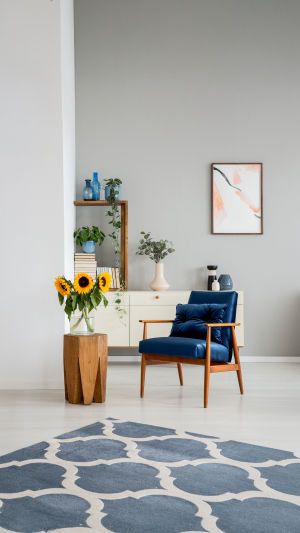
One of the quickest ways a room loses its polished feel is when furniture does not fit the space well. Tiny rugs under full seating areas, very small art on a large wall, or oversized pieces crowding a compact room can all make things feel awkward. Scale helps the eye relax. A living room rug should usually anchor the main seating area rather than float in the middle like an afterthought.
Art should feel connected to the furniture beneath it. When pieces match the room in a balanced way, everything feels more intentional.
<h3>Poor lighting choices</h3>
Lighting changes everything. A single harsh ceiling light can flatten a room and make it feel cold. Spaces usually look richer when lighting comes from a mix of sources instead of one bright point overhead. Table lamps, floor lamps, and softer bulbs help create depth and comfort.
Natural light matters too, so heavy window coverings that block brightness can pull down the whole mood. A warm, layered glow gives even simple rooms a more thoughtful look.
<h3>Too much clutter on display</h3>
A room does not need to be empty to feel elevated, but visible clutter can make it seem chaotic very quickly. When too many small items sit on shelves, tables, and counters, the eye has nowhere to rest. That busy feeling can read as messy instead of lived-in. Grouping objects with purpose helps a lot.
Trays, baskets, and a little editing can make everyday things feel neat and considered. Leaving some open space is just as important as decorating it.
<h3>Cheap-looking accessories</h3>
Accessories have a big effect because they are often the finishing layer people notice last. Pieces that look overly flimsy, overly shiny, or disconnected from the room can lower the overall effect. This does not mean everything needs to be expensive. It simply means fewer, better-chosen accents usually work harder than many random ones.
Cushions with some texture, curtains that hang properly, and decor that repeats colors found elsewhere in the room all help create harmony.
<h3>Ignoring walls and windows</h3>
Bare walls can make a room feel unfinished, while poorly placed decor can make it feel random. The same goes for windows. Curtains that are too short or hung too low often bring down the entire space. Hanging drapery higher and wider can make windows feel larger, and the room feel taller. On walls, it helps to choose art or mirrors that suit the size of the space and place them with care. These details sound small, but they shape the room more than people expect.
<h3>No clear color flow</h3>
When too many unrelated colors compete in one space, the room can feel scattered. A polished room usually has some kind of connection between shades, even if the style is relaxed and personal. Repeating a few colors through textiles, art, and accessories helps the space feel tied together.
Neutrals can create breathing room, while one or two accent colors keep things lively. The goal is not perfection. It is a sense that the room speaks in one gentle voice instead of many at once.
At the end of the day, a room's true quality isn't measured by how much you spent, but by how it makes you feel. When scale, lighting, clutter, and color flow are thoughtfully addressed, even modest furnishings can shine. Start with one small change—a better lamp, a decluttered shelf, or curtains hung a little higher.
You'll be surprised how quickly the room begins to feel more composed. Great design is not about perfection; it's about intention. And that intention is already within your reach.


