

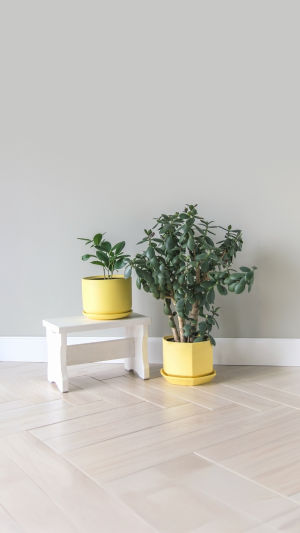
Hi, Friends! So you bought two of the exact same plant, put them in what looks like the same setup, and somehow one of them turned into a lush green superstar while the other looks like it is auditioning for a sad houseplant documentary.
What is going on? You did nothing wrong, right?
Well, actually, the answer is more nuanced than that, and it is genuinely fascinating once you dig in.
<h3>Soil Is Not Created Equal</h3>
The quality of the soil in your garden has a major impact on how well plants grow, and using the wrong kind of soil can seriously affect their health because different plants are adapted to different soil conditions. Even small changes in soil from one spot to another can make a big difference. In fact, just a few inches apart, the ground can have a completely different mix of sand, silt, and clay.
Heavier clay soils drain water slowly and are more likely to become compacted and waterlogged. When that happens, plant roots cannot thrive and may end up sitting in too much moisture instead of growing properly.
<h3>Light: Not All Sunshine Is the Same</h3>
Picture yourself squinting at a book in a dim room. Plants feel the same way. Too little sunlight slows growth because photosynthesis is reduced. One plant may get golden morning rays while another stays in the shadow of a fence or larger neighbor. Blue and red light have the biggest effect on plant growth: blue supports leafy growth, and red, combined with blue, encourages flowering. So light quality matters as much as light quantity.
Sun exposure, drainage, elevation, day-night temperature changes, and nearby rock structures also affect how plants respond to temperature. A lot of invisible factors are working behind the scenes, like a secret club your plants are in and you are not.
<h3>Nutrients and Drainage Drama</h3>
Uneven growth can also come from nutrient imbalance, often caused by uneven fertilizer application. Too much in one area and too little in another can leave plants with yellow leaves and stunted stems.
Plants need sugars and carbohydrates, along with nutrients, to make proteins, enzymes, vitamins, and other essential compounds. If low light or extreme temperatures reduce sugar production, nutrient absorption can drop too. When several stressors pile up, a plant may struggle to take in what it needs, even if the nutrients are available.
<h3>Sneaky Competition From Nearby Plants</h3>
As larger plants grow or die, light conditions can change and create new stress for nearby plants. Tree roots can spread more than twice the width of the canopy, competing with other plants for water and nutrients.
Some trees also release chemicals that inhibit the growth of sensitive plants. Walnut trees are especially known for this, and sumac, tree-of-heaven, sugar maple, and some pines do it too. Nature has its own turf conflict, and your plant might be on the losing side.
<h3>What You Can Actually Do About It</h3>
Once you realize a plant is failing to thrive, the best fix is often to move it to a different spot. In some cases, improving the soil and replanting in the same place can help too. Adding organic matter and loose topsoil can improve drainage, and in heavy clay soil, a little organic matter and sand can help reduce compaction.
So if one plant is thriving while its identical twin looks miserable, do not panic. Check the light, soil, and nearby roots, then make small changes one step at a time. Plants are more sensitive to their environment than we often realize, and even a small adjustment can make a big difference.


