

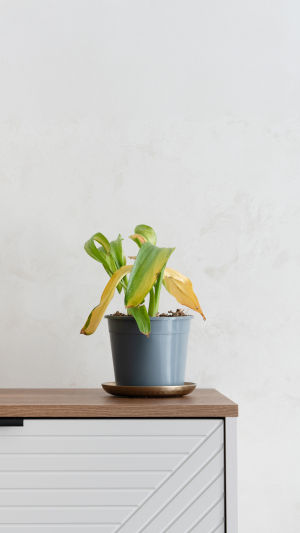
Hi, Readers! You know that moment when your once-glorious, lush green plant suddenly starts looking like it rolled through a mustard factory?
One leaf turns yellow, then another, and before you know it, your beloved green buddy looks like it is auditioning for a autumn forest scene. Do not panic just yet.
This yellowing is actually called chlorosis, and it happens when something interferes with your plant's chlorophyll, which is the plant pigment responsible for that gorgeous green color you love. Think of chlorophyll as the plant's green paint. When the paint factory shuts down, yellow is what you get.
The good news is yellow leaves are simply a call for help. Answer the call, take the right steps, and you can fix yellow leaves and prevent their return.
<h3>The Watering Problem Nobody Talks About Enough</h3>
Watering issues are the most common cause of yellow leaves, whether the plant is getting too much water or too little. When soil stays too wet, the roots cannot breathe properly, may suffocate, and can begin to rot. Underwatered plants can also turn yellow, often with dry, curling leaves and soil pulling away from the sides of the container. A simple way to check is to stick your finger into the soil up to your first knuckle and water only if it feels dry.
<h3>Light: Too Much or Too Little, Both Are a Problem</h3>
Yellow leaves can also be caused by light problems, since plants rely on the right amount of light to stay healthy. Too little sunlight can make leaves lose their color, turn yellow, and cause stems to stretch out in search of more light, which often makes the plant look weak or leggy. On the other hand, too much direct sun can scorch the leaves, leaving yellow patches, brown spots, or crispy edges. In many cases, finding the right spot near bright but indirect light is the key to helping the plant recover and stay strong.
<h3>Nutrients: Your Plant Is Hungry, Not Just Dramatic</h3>
Yellowing can also point to nutrient problems, especially when the veins stay green while the tissue turns yellow. Iron deficiency usually affects newer leaves first, while magnesium deficiency shows up on older leaves. Too much fertilizer can also damage roots and cause yellowing, so more is not always better.
<h3>Temperature Stress and Natural Aging</h3>
Temperature can also be a factor in yellow leaves, especially when the plant is kept too hot or too cold. Tropical plants are particularly sensitive to cold drafts and air conditioners, which can stress them and cause yellowing. At the same time, not every yellow leaf is a warning sign. Older leaves naturally age, turn yellow, and eventually drop as part of the plant’s normal growth cycle.
<h3>Pests and Diseases: The Uninvited Guests</h3>
Yellow leaves can also be caused by pests, diseases, poor soil, or natural aging. Check both the tops and undersides of the leaves for insects, eggs, or other signs of damage. If you inspect carefully and look for patterns, you can usually narrow down the cause, figure out what is happening, and take the right steps to help the plant recover.


