

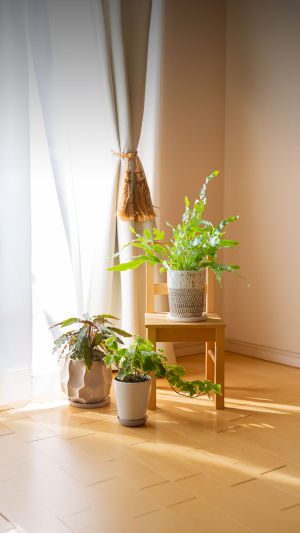
Hi, Friends! You know that feeling when you walk into someone's home and their plants look like they belong on the cover of a botanical magazine, all glossy leaves, full of life, practically waving at you?
Then you glance back at your own sad little fern sitting on the windowsill looking like it just received bad news. What is their secret?
Are they whispering motivational speeches to their plant at midnight?
<h3>Light Is Everything (No, Seriously)</h3>
Place your houseplants in bright, indirect light near a window. Sunlight is essential for photosynthesis and healthy growth. Think of it as your plant’s morning coffee. If a plant looks leggy, pale, or starts making smaller leaves, it probably needs more light. Plants with colorful foliage usually need even more, and turning the planter every few days helps keep growth even.
<h3>Feed the Thing!</h3>
If you’ve ever wondered why some plants stay lush while others struggle, fertilizer may be the missing piece. Light and water are essential, but nutrients are what fuel real growth. Think of fertilizer as a multivitamin for your plants.
Since indoor plants rely on you for nutrients, even good growing medium eventually gets depleted and growth slows. A liquid organic fertilizer or gentle all-purpose mix works well for most houseplants, but do not overdo it. Too much fertilizer can be just as harmful as too little.
<h3>Stop Drowning Your Plants</h3>
Overwatering is one of the most common mistakes with houseplants. Healthy roots are usually white or cream-colored, while root rot turns them dark brown or black. Clay and terra-cotta planters help wick away extra moisture, making them a good choice for plants like snake plants and hoyas that prefer to dry out between waterings.
<h3>Clean Those Leaves</h3>
Most people ignore this: dust on indoor plant leaves can block sunlight and reduce gas exchange, which can slow growth over time. It also makes the leaves look dull and tired. Give them a gentle wipe now and then, like you would your favorite sunglasses. Your plant will thank you by growing better.
<h3>Trim It to Win It</h3>
Pruning encourages a plant to recover fast and push out fresh growth. When you trim in the right spot, a leggy, tired-looking houseplant can turn bushy and full again by the end of summer.
Think of it like a haircut. A good trim does not hurt it, it helps it bounce back stronger. When the apical bud is removed, axillary buds wake up and start growing. Pinching young shoot tips can also encourage more side shoots and more flowers.
<h3>Give It Room to Grow</h3>
If your plant is rootbound, with roots circling inside the container, it may be time to repot it into something bigger. Think of it like trying to run a marathon in shoes two sizes too small. As a general rule, move up about 2 inches in diameter when repotting. That small change can make a big difference.
The secret to thriving plants is not magic. It is the basics done well: proper light, smart watering, regular feeding, clean leaves, timely pruning, and enough room to grow. Start with one change at a time, watch how your plant responds, and enjoy the process.


