

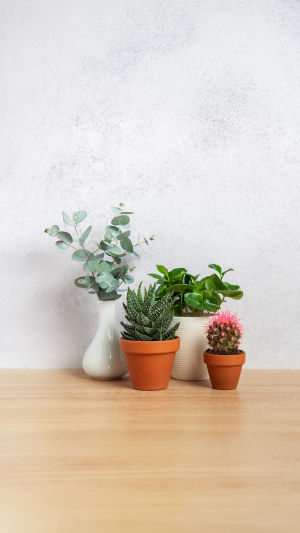
Hello, Lykkers! If you are working with limited square footage, choosing the right plants can transform a cramped corner into a living, breathing retreat.
The key is selecting species that thrive in confined pots, tolerate lower light, and require minimal fuss. This article will walk you through the most reliable options for small spaces.
<h3>Light and Space Constraints</h3>
Small spaces often get less sun, but many houseplants are built for that. First, check your light: low light has no direct sun, medium light gets a few hours of indirect light, and bright indirect light is near a window without direct rays. For low light, snake plants are a great choice because they need little water and grow upright, saving space. ZZ plants are another easy option since they store water in their thick rhizomes and handle neglect well.
<h3>Space Saving Shapes</h3>
Vertical growers work best in tight spaces. Ponytail palm adds height without taking much width, spider plant stays compact with arching leaves, and pothos can trail or climb a small trellis. All three fit well in small pots and can be pruned to stay tidy.
<h3>Small Pots and Minimal Watering</h3>
Succulents and cacti are great for small spaces because they stay compact and need little water. Jade and aloe can live on a windowsill, and terracotta pots with drainage help prevent root rot. For desks or bathrooms, air plants need no soil and just a weekly mist.
<h3>Care Tips for Compact Living</h3>
Regular care is key in small spaces. Dust leaves monthly, rotate plants for even growth, check for spider mites, and use mild soapy water if needed. Fertilize lightly in spring and summer.
<h3>Top 5 Starter Plants</h3>
If you’re new to indoor gardening, start with snake plant, pothos, ZZ plant, peace lily, or philodendron. They handle average humidity and the occasional missed watering. Some are mild irritants if eaten, so keep them away from pets. If you need pet-safe options, try spider plants or parlor palms.
In small spaces, choose plants that fit your light and lifestyle, use vertical space, and start with just one or two pots before expanding.


