

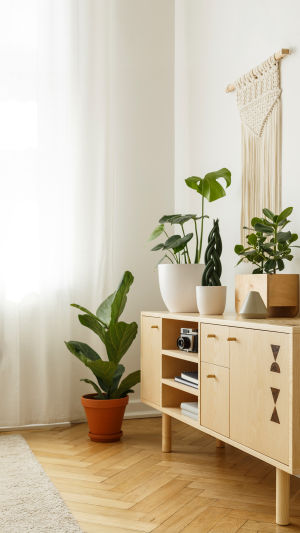
Hello, Lykkers! Deciding between growing plants in containers or directly in the ground is a common dilemma for any gardener.
Both methods have distinct advantages and limitations, and the right choice depends on your specific conditions, available space, and how much time you can dedicate to maintenance. Let's break down the key factors so you can choose with confidence.
<h3>Root Space and Growth Potential</h3>
In-ground plants have unrestricted root systems. They can spread deep and wide, accessing more nutrients and water from the soil. This often leads to larger, more robust plants with higher yields for vegetables and fuller blooms for flowers. Container plants, on the other hand, are confined. Their roots circle inside the container and can become root-bound if the container is too small. This limits overall plant size and may require repotting or root pruning. However, containers allow you to control the soil mix precisely, which is beneficial for acid-loving plants like blueberries or for avoiding heavy clay soil.
<h3>Water and Nutrient Management</h3>
Soil in the ground retains moisture much longer because it is insulated by surrounding earth. Containers dry out faster, especially in warm weather or if made of porous materials like terracotta. You may need to water container plants daily or even twice a day during hot spells. Conversely, overwatering is more dangerous in containers where drainage is critical. Nutrients also leach out faster from containers, so regular fertilization is essential. In-ground soil typically holds nutrients better, though you may still need to amend it with compost or balanced fertilizers.
<h3>Temperature and Protection</h3>
Ground soil acts as a thermal buffer, keeping roots cooler in summer and warmer in winter. This makes in-ground plants more resilient to temperature swings. Container roots are exposed to ambient air on all sides. In winter, the entire root ball can freeze, damaging or killing the plant. In summer, roots can overheat. You can mitigate this by using insulating containers, grouping pots together, or moving them to sheltered spots. For cold climates, in-ground planting is often safer for perennials and ligneous plants.
<h3>Mobility and Flexibility</h3>
The biggest advantage of containers is mobility. You can move plants to catch optimal sunlight, protect them from storms, or bring them indoors during cold snaps. This is ideal for renters, people with small balconies, or anyone who likes to rearrange their garden. In-ground plants are permanent; once planted, moving them is difficult and stressful for the plant. If you are still deciding on a layout, containers allow you to experiment before committing to a permanent in-ground arrangement.
<h3>Pest and Disease Considerations</h3>
In-ground plants are exposed to soil-borne pathogens, nematodes, and burrowing pests like voles or gophers. Crop rotation is harder to implement in small beds. Containers offer a cleaner start: you use fresh potting mix each season, which reduces disease carryover. However, containers can still attract pests like spider mites or aphids, especially if plants are stressed. Cleanliness and proper spacing matter in both systems.
<h3>Which One Should You Choose?</h3>
Make your decision based on your primary goal. If you want maximum size and yield from vegetables or you are planting long-lived trees and shrubs, in-ground is generally superior. If you have limited space, poor native soil, or need flexibility, containers are the way to go. Many gardeners use a mix: grow fast-growing annuals in containers and permanent plants in the ground. Also consider the local climate: in very dry regions, in-ground planting reduces watering frequency; in very cold areas, you may need to overwinter containers indoors.
Ultimately, there is no single right answer. Both methods can produce thriving plants when managed correctly. Observe your site conditions, think about the time you can invest, and do not be afraid to try a combination. Start with a few containers to learn the rhythms of watering and feeding, then expand into in-ground beds as you become more comfortable. Happy gardening, and may your green space flourish no matter how you grow.


