

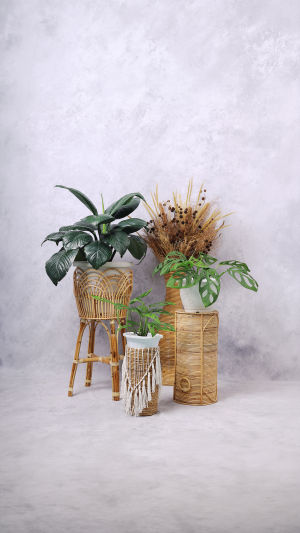
Hello, Lykkers! Bringing plants into your home adds life and freshness, but keeping them healthy doesn't have to be a mystery.
With a few straightforward techniques, you can turn your space into a green retreat.
Let's look at some popular indoor plants and the simple care routines that help them flourish.
<h3>Choosing the Right Light</h3>
Light is the most critical factor for indoor plants. Snake plants and ZZ plants tolerate low-light corners, while pothos and spider plants prefer bright, indirect light.
If leaves start dropping or turning pale, move the plant closer to a window but avoid direct afternoon sun, which can scorch the foliage. For rooms with minimal natural light, consider a grow light placed a few feet above the plants for 12 hours daily.
<h3>Watering Without Overdoing</h3>
Overwatering is the leading cause of indoor plant problems. Most common houseplants need water only when the top inch of soil feels dry to the touch. For succulents and snake plants, wait until the soil is completely dry. A simple trick: stick your finger into the potting mix.
If it feels damp, hold off. Use containers with drainage holes to prevent water from pooling at the bottom, which can lead to root rot.
<h3>Soil and Repotting Basics</h3>
A well-draining planting mix works for most indoor plants. Cacti and succulents need a gritty blend with extra sand or perlite. Replant only when roots circle the bottom of the container or the plant becomes top-heavy, typically every one to two years.
Choose a container one size larger and refresh the soil. Avoid disturbing the roots too much during replanting to reduce stress.
<h3>Humidity and Temperature</h3>
Many indoor plants come from tropical regions and appreciate some humidity. Ferns, peace lilies, and calatheas benefit from occasional misting or a small humidifier nearby.
Grouping plants together also raises local humidity. Keep them away from drafty windows, heating vents, or air conditioning units. Room temperatures between 65 and 75 degrees Fahrenheit suit most houseplants well.
<h3>Common Pests and Prevention</h3>
Spider mites and fungus gnats occasionally appear. Check leaves weekly for tiny webs or sticky residue. Wipe leaves with a damp cloth to remove dust and prevent pests. For gnats, let the soil dry out more between waterings. Botanical oil spray (diluted) can treat mild infestations, but always test on a small leaf first.
<h3>Fertilizing the Right Way</h3>
During the growing season (spring and summer), feed plants with a balanced liquid fertilizer once a month. Dilute it to half strength to avoid burning delicate roots. Stop feeding in fall and winter when growth slows. Yellowing leaves sometimes signal overfeeding, so reduce frequency if you see that.
<h3>Propagating for More Plants</h3>
Pothos, spider plants, and snake plants are easy to propagate. Cut a stem with a few nodes and place it in water for pothos; roots appear in a couple of weeks. Spider plant babies (pups) can be rooted directly in soil. Snake plant leaves can be cut into sections and placed in water or damp sand. It is a rewarding way to expand your collection or share with friends.
Final thought, Lykkers: The secret to happy indoor plants is consistency and observation. Start with low-maintenance varieties like snake plants or pothos, and gradually branch out. Each leaf you see unfurl is a small victory. So grab a watering can, check your light levels, and enjoy the calm that greenery brings to your home.


