

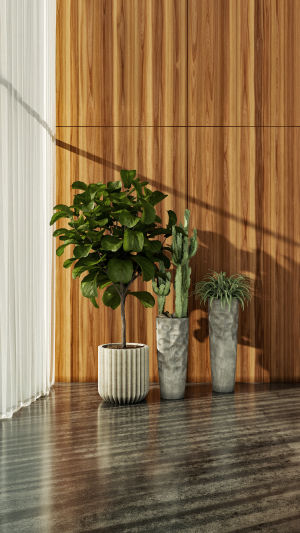
Hi, Readers! A thriving container-grown houseplant often starts with something easy to overlook: the soil. It is not just there to hold roots in place.
Good planting soil helps manage moisture, keeps air moving around the roots, and gives your houseplant a steady, comfortable place to grow.
If the mix is too dense, roots can stay wet too long. If it dries too fast, the houseplant may struggle to take up what it needs. Picking the right planting mix and changing it at the right time can make a very real difference in how your indoor plants look and feel.
<h3>Why planting soil matters</h3>
Plants growing in containers need a very different setup from plants in the ground. Garden soil usually compacts in a container, which reduces airflow and makes drainage poor. A proper planting mix is lighter and made to hold enough moisture while still letting extra water move through.
Common ingredients in planting mixes include peat moss, pine bark, perlite, and vermiculite. Each one plays a role. Peat moss helps hold moisture, bark adds structure, perlite improves drainage and air space, and vermiculite helps with moisture retention. That balance is what keeps roots healthier over time.
<h3>How to choose the right mix</h3>
Different container-grown plants do better in different blends. A general indoor planting mix works well for many leafy houseplants, but not every houseplant wants the same level of moisture. Plants that like fast drainage usually benefit from a lighter mix with more perlite or bark.
Plants that prefer evenly moist conditions may do better in a blend that holds water a little longer. The article also notes that some commercial mixes are sold for specific plant types, which can be helpful if you are caring for something with more particular needs. The key is to avoid using soil from outdoors and choose a clean planting mix made for containers.
<h3>Signs it is time to replace the soil</h3>
Planting soil does not stay in perfect condition forever. Over time, it breaks down, becomes compacted, and may not drain as well as it once did. You might notice water sitting on the surface, roots crowding the container, or a plant drying out too quickly even though you are watering regularly.
Slower growth can also be a clue. When the structure of the mix starts to collapse, roots have a harder time getting the airflow they need. Refreshing the soil gives the houseplant a better growing environment and can help it bounce back.
<h3>How to change planting soil</h3>
When you are ready to change the soil, gently remove the plant from its container and shake or loosen some of the old mix from the roots. If the roots are tightly circling, carefully tease them apart a bit so they can spread into the new soil more easily. Choose a container with drainage holes, then add fresh planting mix to the bottom.
Set the houseplant so the top of the root ball sits at the right height, fill around the sides, and press lightly just enough to remove large air pockets. After that, water thoroughly so the new mix settles around the roots.
<h3>Helpful care tips after repotting</h3>
Right after changing soil, many plants need a little time to adjust. Keep them in suitable light and avoid overwatering while the roots settle in. Fresh planting mix may already contain some nutrients, so feeding right away is not always necessary.
Pay attention to how quickly the new mix dries and adjust your watering routine as needed. It is also helpful to check the container regularly for drainage issues. Small changes in texture, moisture, and root space can tell you a lot about what your plant needs.
Healthy soil is the quiet foundation of every thriving container plant. It's easy to overlook, but it shapes how your plant drinks, breathes, and grows. By choosing the right mix and refreshing it when needed, you give your plant the best possible start. Pay attention to signs like slow growth or water pooling on the surface—they're your plant's way of asking for a little help.
With good soil, your container garden will reward you with lasting health and beauty.


