

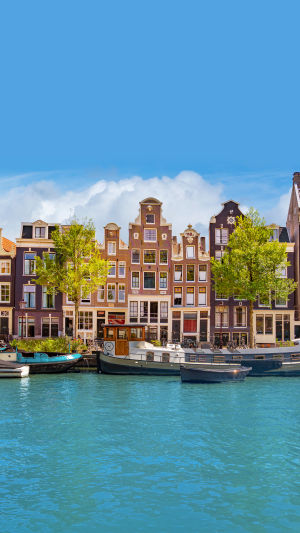
Hi, Readers! Amsterdam is the kind of city that seems to have one foot in a storybook and the other on a tram pedal.
You get canals curling through the city like shiny ribbons, narrow houses leaning together like old friends, and neighborhoods that somehow feel both polished and wonderfully lived-in.
If you are planning a trip to Amsterdam in the Netherlands, the sweet spot is knowing how to move around, what to book first, and where your money is likely to vanish faster than a warm stroopwafel.
Getting to Amsterdam is refreshingly easy. Amsterdam Airport Schiphol connects to the city center by train in about 15 to 20 minutes, and tickets usually cost around USD 6 one way. If you arrive by international train, Amsterdam Centraal is right in the middle of the action, which is very convenient and feels a bit like being dropped directly onto the main stage. Trams, buses, ferries, and the metro make getting around simple.
A single public transport ride starts at about USD 4, while day passes often give better value if you plan to hop around all day. Cycling is popular too, but the streets can feel like a fast-moving bicycle ballet, so beginners may want to ease in carefully.
<h3>Top places to see</h3>
Amsterdam has a greatest-hits lineup that is genuinely worth the fuss. The Rijksmuseum is a big one, packed with Dutch masterpieces and grand galleries that can easily eat up half a day. Entry is usually around USD 25. The Van Gogh Museum is another favorite, with tickets often around USD 24, and it is best booked ahead because it is popular for very good reason.
The Anne Frank House is one of the city’s most visited places and also the one you should reserve as early as possible. Tickets are usually around USD 18. If you want a slower, breezier look at the city, a canal cruise is a classic move, with many standard trips starting at roughly USD 18 to USD 25. It sounds simple, but seeing Amsterdam from the water is a bit like finally understanding the joke everyone else got first.
Amsterdam
<h3>Opening hours and timing</h3>
Many major museums generally open around 9:00 AM and close between 5:00 PM and 6:00 PM, though hours can vary by season or special events. That means early tickets are your best friend. Popular attractions fill up quickly, and nothing stings quite like standing outside a museum staring at a sold-out sign while your afternoon evaporates.
Canal cruises run throughout the day, often from late morning into evening. Shops in central areas usually open around 10:00 AM, and restaurants stay lively well into the night. If you like a calmer pace, mornings are the golden ticket, especially around the museum quarter and the canal belt.
<h3>Where to stay</h3>
Accommodation in Amsterdam comes in several flavors, from neat hostels to polished canal-side hotels. Budget hostels often start around USD 40 to USD 80 per night for a dorm bed, while simple private hotel rooms commonly begin around USD 120 to USD 180. Mid-range hotels usually land between USD 180 and USD 300 per night, depending on location. If you want postcard views and a little extra charm, canal-belt stays can climb above USD 300 pretty quickly.
Areas near Amsterdam Centraal are handy for first-time visitors, while neighborhoods like De Pijp and Oud-West offer a more local rhythm with plenty of cafés and easy tram access.
<h3>Easy food and local rhythm</h3>
Amsterdam is a wonderful city for wandering without a strict plan. You can browse markets, pause in cozy cafés, and snack your way through the day with fries, cheese, stroopwafels, and herring if that is your thing. Vondelpark is perfect for a breather when your feet start filing complaints.
The Jordaan neighborhood is lovely for strolling, with pretty streets, small shops, and canals that seem almost too charming to be real. The city also rewards simple choices: pre-book key sights, wear comfortable shoes, keep an eye on tram routes, and leave room for aimless wandering.
Amsterdam works best when you mix the famous sights with ordinary moments, like sitting by the water or getting pleasantly lost on a quiet street. Plan the essentials, keep your schedule loose, and let the city do what it does best: charm you without trying too hard.


