

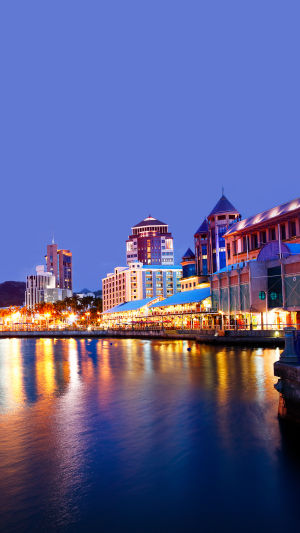
Hi, Readers! Port Louis is the kind of place that wakes up fast and stays busy, like a kettle that starts humming before you have even found your shoes.
As the capital of Mauritius, it packs history, trade, street life, waterfront views, and cultural landmarks into one compact city.
Sitting on the northwest coast, Port Louis is framed by mountains and the harbor, so even a simple walk can feel like the city decided to show off a little.
If you are planning a visit, this guide covers what the city is known for, how to get around, what to see, and the practical details that make travel smoother.
<h3>Getting There and Around</h3>
Port Louis is about 30 miles from Sir Seewoosagur Ramgoolam International Airport, and the drive usually takes around 45 minutes to 1 hour depending on traffic. Taxis are widely available from the airport, and many travelers also use private transfers for a more predictable arrival. Public buses connect major parts of Mauritius to Port Louis, and they are one of the most budget-friendly ways to travel, though they can take longer than a taxi.
Inside the city, buses and taxis are the main transport options. Central Port Louis is fairly walkable, especially around the waterfront, market area, and several museums, but daytime traffic can be busy, so short taxi rides can save time and energy.
<h3>What Makes Port Louis Special</h3>
Port Louis is the main economic center of Mauritius and its principal port, but it is not just a place of business suits and shipping containers. It has layers. The city has colonial-era buildings, civic landmarks, busy shopping streets, and open public spaces near the water. It is also a cultural mix, shaped by African, European, and Asian influences, which shows up in daily life, architecture, food stalls, and local traditions. That blend gives the city its spark.
One minute you are looking at an old government building, and the next you are weaving through a market where the energy feels like a hundred conversations are all tap dancing at once.
Port Louis
<h3>Top Places to Visit</h3>
One of the best-known spots is the Central Market, a lively place where locals and visitors shop for produce, spices, souvenirs, and everyday goods. It is a great stop if you want to feel the city’s rhythm up close. The Caudan Waterfront is another popular area, known for shops, restaurants, and harbor views, and it is one of the easiest places to explore on foot.
History lovers often head to Fort Adelaide, also called La Citadelle, which overlooks the city and offers broad views of Port Louis and the harbor.
The city also has several museums and heritage sites. The Blue Penny Museum is well known for its focus on Mauritian history and philately. Aapravasi Ghat is one of the most important historical sites in Port Louis, recognized for its connection to indentured labor history. Other notable landmarks include Government House, the Port Louis Theatre, and the Jummah Mosque, each adding a different thread to the city’s story.
<h3>Opening Hours and Entry Prices</h3>
Opening times and ticket prices can change, so it is smart to check official sources before visiting. In general, the Central Market opens during daytime hours, with mornings often being the liveliest time to go. The Caudan Waterfront is an open public area, so there is no entry fee to walk around, though shops and attractions inside keep their own hours.
Fort Adelaide usually has a modest entry fee, often around a few USD. Museums such as the Blue Penny Museum usually charge an admission fee, commonly in the range of about $8 to $12 USD depending on exhibitions and visitor category. Historical sites may have separate schedules, especially on public holidays.
<h3>Where to Stay</h3>
Port Louis has fewer resort-style stays than the coastal beach areas of Mauritius, but it does offer business hotels, guesthouses, and practical city accommodations. Budget guesthouses and simple hotels can start from around $40 to $70 USD per night. Mid-range hotels often fall between $80 and $150 USD per night, depending on location and services.
If you want more dining and shopping nearby, staying close to the Caudan Waterfront is a convenient choice. Many visitors also stay outside the capital in coastal areas and make a day trip into Port Louis, which works well if you want more beach time and a quieter evening base.
<h3>Useful Tips for Visiting</h3>
Port Louis is often busiest on weekdays, especially during working hours, so if you prefer a gentler pace, start early. Wear light clothes, bring water, and use sun protection, because the heat can cling to you like an overly friendly cat. Comfortable walking shoes help a lot, especially if you plan to combine the market, waterfront, and fort in one outing.
Keep some cash for small purchases in local markets, though cards are accepted in many modern businesses and hotels.
Port Louis may not be a sleepy postcard town, and that is exactly its charm. It is lively, layered, and full of everyday character. If you want a place where history, commerce, and street-level energy all meet by the sea, this city delivers. Take your time, look beyond the first busy corner, and let Port Louis show you its many sides.


