

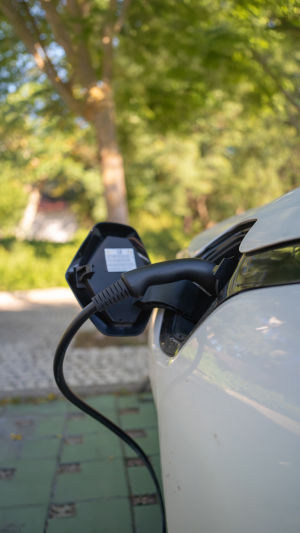
As electric vehicles become more common, the network of charging stations that power them is rapidly evolving.
This global rollout is what makes EVs a practical choice for everyday drivers. While the experience varies by region, some common themes are shaping our charging future.
<h3>A World of Difference: Regional Charging Styles</h3>
<b>Europe:</b> Here, you'll find a well-developed network, especially along major highways. Countries in Northern Europe lead with dense, reliable networks that are smoothly integrated into the power grid.
The focus is on making charging easy, with efforts to standardize payment systems so you can use one app or card across different networks. For daily use, charging at home or work remains the most common solution.
<b>North America:</b> Charging infrastructure is growing quickly, but it's a patchwork. Fast-charging hubs are concentrated along interstates and in big cities, making road trips feasible. For daily life, most charging still happens at home. The user experience is improving, with a push towards more predictable pricing and easier-to-use interfaces.
<b>Asia-Pacific:</b> This region shows the most diversity. China has built an immense network of public chargers at an incredible speed, heavily supported by government initiatives.
In countries like Japan and South Korea, the focus is on reliability and smart technology in densely populated cities. In growing markets, the priority is on affordable and scalable solutions to keep up with rapid urbanization.
<b>Other Regions:</b> In Latin America, Africa, and the Middle East, charging networks are emerging more selectively, often starting in major cities. Growth here is driven by a mix of private investment and public partnerships, with a focus on building a foundation for future expansion.
<h3>What Makes a Great Charging Experience?</h3>
<b>Seamless & Simple:</b> The goal is for drivers to easily find a charger, plug in, and pay without needing multiple accounts or apps. Standardization is key to a frustration-free experience.
<b>Smart Power Management:</b> To avoid straining the electrical grid, new charging stations are increasingly incorporating smart features. These can include on-site solar power, battery storage, and systems that manage energy use during peak times.
<b>The Right Charger in the Right Place:</b> The infrastructure is designed to meet different needs. Ultra-fast chargers are placed along highways for long journeys, while slower, more convenient chargers are installed at homes, workplaces, and shopping centers for daily top-ups.
<h3>What's Driving the Change?</h3>
<b>Government Support:</b> Policies and incentives play a huge role in how quickly and where charging stations are built.
<b>Industry Teamwork:</b> Car manufacturers, utility companies, and charging station operators are collaborating more to ensure hardware and software work together seamlessly.
<b>Preparing for Fleets:</b> The next wave of innovation is focused on "megawatt charging" to power electric trucks and commercial fleets, requiring new, high-power stations.
<h3>The Road Ahead</h3>
The global charging network is maturing, but its character varies from place to place. Europe is building a dense, interconnected web. North America is strengthening its highway corridors and city hubs. Asia is focusing on rapid growth and reliability.
The future of charging will be defined by simplicity for the driver, smart integration with our power grids, and flexible networks that can grow with the millions of new electric vehicles coming to our roads.


