

It's always a delightful surprise when you hear a bird mimic a human word or even carry on a simple "conversation." However, how do they manage this extraordinary feat?
Some birds can replicate sounds, including human speech, with such precision that it's hard to tell whether you're hearing a person or a parrot.
Let's explore certain bird species that have the amazing ability to mimic human language and why they do it.
<h3>Why Do Birds Mimic Speech?</h3>
Birds mimicking human speech isn't just a quirky party trick. There's a biological reason behind it. The ability to mimic sounds helps birds in the wild communicate more effectively, and it may also help them integrate into human environments.
Birds, especially those known for mimicking human speech, have specialized vocal anatomy that enables them to reproduce complex sounds.
<b>Communication and Socialization</b>
In the wild, birds use calls and songs to communicate with others, whether it's to warn of danger, attract mates, or claim territory. Mimicking human speech can help captive birds form bonds with their owners.
It also shows their adaptability in a new environment, as they learn to communicate in a way that's most effective within their setting.
<b>Social and Mental Stimulation</b>
In captivity, many birds mimic sounds because they are highly social animals. Repeating the sounds they hear—whether it's a word, a phone ring, or even a doorbell—provides mental stimulation and keeps their environment engaging.
This is particularly true for species like parrots, which are known to thrive in environments where they can interact and mimic a variety of sounds.
<h3>The Mechanism Behind Mimicry</h3>
How do birds actually mimic human speech? The answer lies in their anatomy. Unlike humans, birds don't have vocal cords. Instead, they use a unique structure called the syrinx to produce sounds.
This structure, located where the trachea splits into the lungs, is capable of producing a wide range of sounds, from simple calls to complex phrases.
<b>The Role of the Syrinx</b>
The syrinx allows birds to control their vocalizations with precision. It can produce multiple tones at once, enabling birds to make complex sounds that resemble human speech.
This is why birds like parrots and mynahs can perfectly imitate words, phrases, and even sounds from their environment.
<b>Learning Through Exposure</b>
Birds that mimic human speech usually start by listening and imitating. This learning process is similar to how humans learn to speak, through repetition and exposure to specific sounds. For example, if you speak to a parrot regularly, it may pick up words or phrases by hearing them often.
The bird doesn't necessarily understand the meaning of the words but can learn to associate the sounds with particular actions or rewards.
<h3>Bird Species Known for Mimicking Speech</h3>
While not all birds are capable of mimicking human speech, certain species are particularly gifted at it. Here are some of the top birds known for their ability to copy human words:
<b>African Grey Parrots</b>
African grey parrots are widely considered to be the best mimics of human speech in the bird world. With an exceptional ability to mimic words and even understand context, these parrots can hold simple conversations.
Some famous African grey parrots have been able to learn over 1,000 words and use them in context, proving their extraordinary cognitive abilities.
<b>Common Mynah Birds</b>
Common mynahs are another bird species with impressive vocal skills. Though they are not as complex in their mimicry as African grey parrots, they can imitate a wide range of human sounds, including speech, doorbells, and phone ringtones. Their mimicry is clear and often sounds very much like the actual sound they are imitating.
<b>Cockatoos</b>
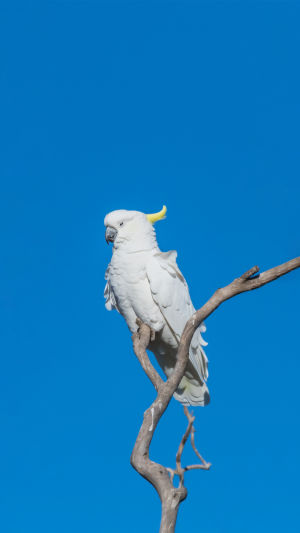
While cockatoos are less known for their speech mimicry compared to parrots, some species—especially the umbrella cockatoos—are capable of copying words and phrases. These birds are also very social and often mimic their owners in a bid to form stronger connections.
<h3>Why Some Birds Are Better at Mimicking</h3>
Not all birds are born equal when it comes to mimicking human speech. Some birds are more predisposed to mimicry due to their social structures, brain development, and vocal abilities.
<b>Brain Structure</b>
Birds that excel at mimicry, such as parrots, have specialized areas in their brains that allow them to learn and produce sounds. These areas are similar to the regions in humans that are involved in speech production.
The more developed these brain regions are, the more likely the bird is to mimic speech. For instance, African grey parrots have a larger brain-to-body ratio compared to other birds, which contributes to their advanced mimicry skills.
<b>Social Learning</b>
Species that live in large, social groups are more likely to mimic sounds, as they need to communicate with each other in various ways.
Mimicking sounds from their environment, including human speech, allows birds to socialize better with their group or human caretakers. The more interactive a bird's environment, the more opportunities it has to learn and mimic.
<h3>How to Encourage Speech Mimicry in Birds</h3>
If you have a pet bird and want to encourage it to mimic human speech, patience and consistency are key. Here are some practical tips to help your bird start speaking:
<b>Repetition is Key</b>
Like any learning process, repetition is crucial. Repeat the word or phrase clearly and consistently whenever you interact with your bird. Over time, your bird will start to mimic the sounds it hears. Be patient, as it may take weeks or even months for your bird to catch on.
<b>Positive Reinforcement</b>
Whenever your bird attempts to mimic a word or sound, reward it with praise or a treat. Positive reinforcement will help your bird associate speaking with rewards, encouraging it to keep trying.
<b>Create a Stimulating Environment</b>
Provide your bird with plenty of interaction, toys, and activities that engage its brain. The more enriched your bird's environment is, the more likely it is to develop the ability to mimic human speech.
<h3>The Fascinating World of Bird Mimicry</h3>
Birds that mimic human speech not only showcase incredible vocal abilities but also give us a glimpse into the sophisticated ways animals adapt to their environment.
Whether it's the charming parrot greeting you with "hello" or the mynah bird copying your ringtone, these remarkable creatures remind us just how connected we are to the animal kingdom. By understanding the science behind their mimicry, we can better appreciate the unique and playful bonds we form with our feathered friends.


