

Hi, Readers! Picking a rug without thinking about furniture is a bit like buying shoes without checking the size.
It might look lovely on the shelf, but once it lands in the room, things can get awkward fast. The relationship between rug size and furniture placement is what makes a space feel grounded, balanced, and easy on the eyes.
A rug is not just a pretty rectangle on the floor. It acts like the stage under your furniture, helping all the main pieces look like they belong to the same conversation.
One of the biggest mistakes people make is choosing a rug that is too small. When that happens, the room can feel scattered, like each furniture piece is off doing its own thing. A properly sized rug helps connect sofas, chairs, tables, and beds so the whole room feels intentional. In most cases, bigger works better than smaller, as long as the rug still leaves a border of visible floor around the edges of the room.
<h3>Living room layout</h3>
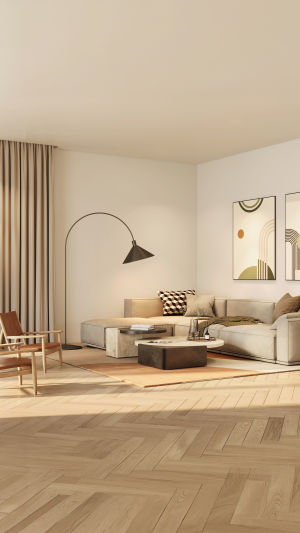
In a living room, the rug should usually be large enough for at least the front legs of the sofa and chairs to sit on it. This creates a connected seating area and makes the arrangement feel settled. In a larger room, all the furniture legs can sit fully on the rug, which gives an even more generous and polished look. If that is not possible, keeping all the front legs on the rug is the usual sweet spot. Leaving the rug floating in the middle with no furniture touching it often makes it feel too small and visually disconnected.
Another helpful point is to keep the rug in proportion to the room. There should generally be some bare floor showing around the rug, which frames it nicely. If the rug runs wall to wall, it can start to feel more like carpeting than an area rug. That little border of floor is like the picture frame around artwork. It gives the whole setup breathing room.
<h3>Dining room placement</h3>
For a dining room, the rug needs to be large enough that the table and all the chairs remain on it, even when the chairs are pulled out. This is the golden rule. If the chairs slide off the edge every time someone sits down, the setup becomes annoying in a hurry. A rug that extends well beyond the table on all sides helps the room function better and also looks more balanced.
Shape matters too. A rectangular table usually pairs best with a rectangular rug, while a round table works best with a round rug. Matching those shapes keeps the room from feeling visually offbeat. It is a small design move, but it makes a noticeable difference.
<h3>Bedroom rug ideas</h3>
In the bedroom, the rug should support the bed rather than look like it accidentally wandered in. If the rug is placed under the bed, it is usually best for it to extend beyond the sides and foot of the bed so there is a soft landing spot when you get up. A rug that disappears almost entirely under the bed does not do much visually or practically.
Another common approach is to place runners or smaller rugs along the sides of the bed if a full large rug is not the right fit. This can still add comfort and warmth without covering a huge portion of the floor. The main goal is to make sure the rug placement feels intentional and proportionate to the size of the bed and room.
<h3>General sizing tips</h3>
It helps to measure the room and furniture layout before buying anything. Using painter's tape to mark the rug dimensions on the floor can make things much clearer. It is a simple trick, but it saves a lot of guesswork. You can immediately see whether the rug will anchor the furniture properly or look like a tiny island drifting in a sea of flooring.
Consistency also matters. In open spaces, rugs can define separate zones, but each rug should still relate well to the furniture in its area. The aim is always the same: the rug should support the layout, not fight with it. When furniture and rug size work together, the whole room feels calmer, more useful, and much more inviting.
So, Lykkers, if you are choosing a rug, start with the furniture first and let that guide the size and placement. Think about what needs to sit on the rug, how the room is used, and how much floor you want to show. Get those relationships right, and your space will feel less like a puzzle with missing pieces and more like a room that truly clicks.


