

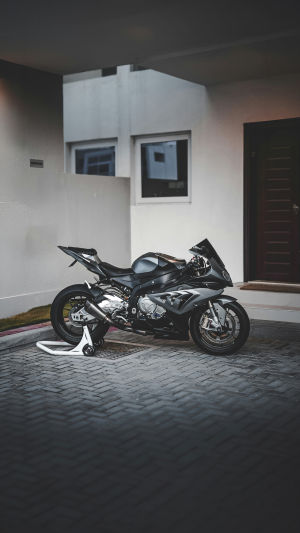
Has your motorcycle been sitting unused for several months? A bike can look perfectly normal after a long break, yet small issues may have appeared during storage.
Before we ride again, we can spend a few minutes checking the key parts. This simple routine helps us spot problems early and makes our return to the road more comfortable.
<h3>Check The Battery</h3>
The battery is one of the first things we should inspect. Even when the motorcycle is switched off, the battery can slowly lose charge while the bike remains parked. After several months, there may not be enough power to start the engine.
We can check the battery before pressing the starter. If the charge is low, we can use a suitable charger for its battery type. For long-term storage, checking the charge every few months helps us keep the electrical system in better condition.
<h3>Check Tire Pressure</h3>
Tires can slowly lose air when a motorcycle sits for a long period. Keeping the bike in one position for months can also place constant pressure on the same areas.
Before riding, we should use a pressure gauge and compare the reading with the level recommended by the motorcycle manufacturer. We can also inspect the surface for cracks, unusual wear, or other visible damage. If the tire looks unsafe, getting professional advice before riding is a sensible step.
<h3>Inspect Oil And Lubrication</h3>
A parked motorcycle still needs proper lubrication. We can check the engine oil level and look around the engine and lower sections for signs of leakage. If the level is low, we should add the correct oil according to the owner's manual.
Other moving parts may also need attention. Control points, hinges, and exposed mechanical areas can become dry during long storage. Suitable lubrication can help these parts move smoothly and reduce unnecessary wear.
<h3>Improve The Storage Area</h3>
The place where we keep our motorcycle can affect its condition. A dry, covered location is generally better than an area exposed to rain, direct sunlight, or high humidity. Moisture can gradually affect metal components and electrical connections.
If we use a cover, choosing one that allows suitable airflow can help reduce trapped moisture. We should also keep the motorcycle on a clean, dry surface and avoid placing it where water can collect around the tires.
<h3>Keep It Clean</h3>
Dust and dirt can build up when a motorcycle remains untouched. We can use a soft cloth to clean the body, mirrors, controls, and other accessible areas.
If we find dirt or early rust marks, dealing with them sooner is easier. A suitable motorcycle cleaner can help with areas that need extra attention. After cleaning, we should let the surfaces dry before covering the bike again.
<h3>Start It Carefully</h3>
When a motorcycle has been parked for a long time, we should not simply start it and immediately ride away. Before starting, we can check the oil level, battery condition, visible leaks, and other basic items.
Once the engine starts, we can listen for unusual sounds and check the warning indicators. If something feels different from normal, we should stop and investigate rather than continuing. When possible, allowing the engine to reach its normal operating condition is more useful than running it for only a very short period.
<h3>Inspect Before Riding</h3>
Before returning to normal riding, we should check the brakes, lights, turn signals, horn, mirrors, controls, drive system, and fluid levels. We can also look underneath the motorcycle for fresh leaks.
After a long storage period, starting with a short and slow test ride in a suitable area gives us a chance to notice unusual handling, braking, or engine behavior. If everything feels normal, we can gradually return to longer trips.
<h3>Ready For The Road</h3>
Lykkers, bringing a motorcycle back after months of storage is much easier when we follow a simple order: battery, tires, lubrication, storage area, cleanliness, engine condition, and safety equipment.
We do not need a complicated routine. A careful inspection can help us understand the motorcycle's current condition before we ask it to take us on another journey.
So, before your next ride, walk around your bike, check the important parts, and take your time. Which part do you check first after your motorcycle has been parked for a long time?


