

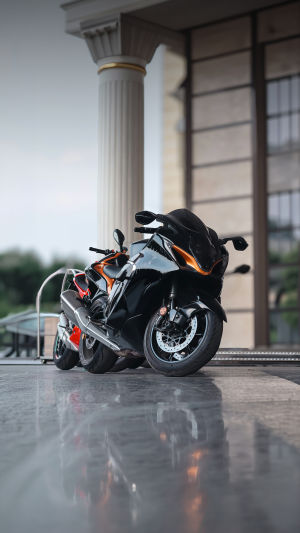
Have you ever felt your motorcycle move sideways when you suddenly opened the throttle?
That brief movement can be surprising, especially when the road is wet or covered with loose material.
If we understand why it happens, we can make better decisions and enjoy a smoother ride. A motorcycle depends on tire grip to stay stable. During acceleration, the driven wheel can rotate faster than the motorcycle is actually moving.
When the tire cannot transfer all that power to the road, it starts to spin instead of rolling normally. Grip decreases, and the rear section may begin moving sideways.
<h3>Road Conditions Matter</h3>
The surface beneath us has a direct effect on traction. A clean, dry paved road usually gives our tires a strong connection with the ground. Wet pavement, snow, gravel, and other slippery surfaces provide less grip.
A sudden change in surface can be especially difficult. We might travel smoothly on dry pavement and then reach a wet patch within seconds. If we are still accelerating strongly, the rear tire may lose traction before we have enough time to adjust.
This is why looking ahead is such an important part of riding. We need to notice changes in pavement, loose material, standing water, and other areas where grip may suddenly change.
<h3>When Sliding Can Happen</h3>
Several situations can increase the chance of a slide. Sudden acceleration is one of the main causes because it sends a quick increase of force to the driven wheel. Wet roads and snow can also reduce traction.
Loose gravel can make the tire move unexpectedly, while heavily worn tread may reduce the tire's ability to clear water effectively. Moving from a dry, high-grip surface to a wet, low-grip section can also create a sudden change in handling.
Motorcycles with strong engine output require extra care because a small throttle movement can create a quick response. Smooth control becomes especially useful in these conditions.
<h3>Understanding Slip Rate</h3>
We can also understand sliding by looking at slip rate. It describes how much the wheel differs from an ideal rolling condition.
During acceleration, the driven wheel may rotate slightly faster than its actual forward movement. During braking, the wheel can slow more quickly than the motorcycle is moving. Both situations create a difference between wheel rotation and road speed.
Road conditions also change the amount of available grip. Icy and snowy surfaces generally provide less traction than wet pavement, while dry pavement usually gives tires a stronger connection.
<h3>Control The Throttle</h3>
One of the simplest ways we can reduce unwanted sliding is by using the throttle smoothly. Instead of opening it suddenly, we can increase power gradually, especially when starting from a stop or traveling across a wet section.
Our body movements also matter. Keeping our posture calm and avoiding sudden movements can help the motorcycle remain balanced. Before entering a corner, reducing speed gives us more control over the motorcycle and the road ahead.
If the surface looks uncertain, a gentle approach gives the tires more opportunity to maintain contact.
<h3>Check The Tires</h3>
Tire condition deserves regular attention. When tread becomes badly worn, the tire may have less ability to move water away from the contact area. We should inspect the tread regularly and replace the tire when it reaches the recommended replacement point.
Tire pressure is also important. We can check pressure when the tires are cold and compare the reading with the motorcycle manufacturer's recommended setting. Incorrect pressure can change handling and steering response.
A quick inspection before a longer journey can help us find unusual wear, visible damage, or pressure problems early.
<h3>Use Electronic Support</h3>
Some modern motorcycles include traction control systems, often called TCS. When excessive wheel spin is detected, the system can reduce engine output to help restore traction.
Other electronic systems can monitor motorcycle movement and provide additional stability support. These features can be useful when road conditions change unexpectedly.
However, electronic assistance works best together with good riding habits. Smooth throttle control, suitable speed, and regular maintenance remain important parts of responsible riding.
<h3>Three Simple Habits</h3>
We can remember three useful habits: control the throttle, read the road, and check the motorcycle.
First, use gradual throttle input. Second, watch for wet areas, gravel, snow, and sudden changes in pavement. Third, keep the tires correctly inflated and inspect their condition regularly.
These habits are simple, but they can give us better control and more confidence.
<h3>Ride Smoothly Together</h3>
Lykkers, safe riding is not simply about controlling speed. It is also about understanding how our motorcycle responds to the throttle, tires, and road surface. When we recognize conditions that can reduce traction, we can adjust earlier and ride with greater confidence.
Before your next journey, take a moment to check the tires, study the road ahead, and think about how smoothly you use the throttle. Which habit helps you feel more confident on two wheels? Share your thoughts with us, and let's keep learning how to make every ride smoother and steadier.


