

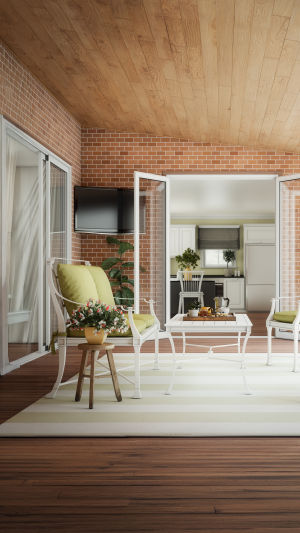
Hi, Readers! A room rarely feels complete through furniture alone. What truly shapes the mood is the quiet relationship between light and soft furnishings like curtains, rugs, cushions, bedding, and textured accents.
When these elements work together, a space feels gentler, richer, and much more inviting. If you want your home to feel cozy, balanced, and full of character, combining lighting with soft decor is one of the most effective ways to do it.
<h3>Start with the room's mood</h3>
Before choosing any lamp or textile, think about how you want the space to feel. A living room may need a relaxed and welcoming tone, while a bedroom often benefits from softer and calmer light. Once the mood is clear, it becomes easier to choose materials and lighting that support it. Warm light often pairs beautifully with linen, wool, cotton, and other soft textures because it brings out depth and comfort. In contrast, a space filled with only overhead light can feel flat, even if the furniture is lovely.
<h3>Layer the lighting</h3>
One light source is usually not enough if you want atmosphere. The most comfortable interiors often use layers: ambient lighting for overall brightness, task lighting for reading or working, and accent lighting to highlight details. A ceiling fixture can provide the base, but table lamps, wall lights, and floor lamps make the room feel more personal. Soft furnishings respond especially well to layered lighting because folds, texture, and color become more visible when light comes from different heights and angles.
<h3>Use warm tones to support texture</h3>
Soft decor carries much of the emotional feel of a room, so lighting should help reveal it rather than wash it out. Warm-toned bulbs usually create a more comfortable setting for fabric-heavy interiors. Sheer curtains can glow softly when light passes through them, while textured rugs and cushions gain more presence under side lighting than under harsh top lighting. If your room includes neutral tones, lighting becomes even more important because it adds the depth that color might not provide on its own.
<h3>Match fixture style with fabric style</h3>
Lighting is not only functional. It is also part of the decor language. A woven lampshade, ceramic base, or fabric-covered fixture can connect naturally with soft furnishings in the room. If your textiles are minimal and light, choose lamps with simple lines and gentle finishes. If the room is layered with rich textures, slightly more decorative fixtures can help the whole space feel intentional. The goal is not perfect matching, but a sense that the elements belong together.
<h3>Think about shadows and glow</h3>
Atmosphere is often created by what is not fully lit. A pleasant interior usually includes soft shadow, gentle contrast, and pockets of glow. This is where lampshades, wall lighting, and indirect light become useful. They help avoid a space that feels too bright or sharp. Soft furnishings play a strong role here because they absorb and diffuse light in beautiful ways. Curtains soften daylight, upholstered pieces reduce harsh reflections, and layered textiles make artificial light feel more comfortable.
<h3>Choose the right focal points</h3>
Not every corner needs equal brightness. Sometimes the best approach is to highlight the most comforting parts of a room, such as a reading chair, bedside table, window seat, or textured wall hanging. A focused lamp near these areas can make them feel special and lived-in. When paired with soft items like throws, cushions, or draped fabric, the effect becomes more intimate. This kind of lighting helps guide attention without making the room feel overly designed.
<h3>Balance practicality and feeling</h3>
A beautiful atmosphere still needs to support daily life. Reading corners need enough brightness, bedside lighting should be easy to use, and common spaces should adapt to different needs throughout the day. That is why flexibility matters. Using multiple lamps allows you to shift the feeling of a room depending on the time and activity. In the same way, changing cushion covers, curtains, or rugs can alter how light behaves in the room. Even small updates can make a noticeable difference.
Designing with light and textiles is not about following strict rules—it is about observing how a room feels at different times of day and adjusting accordingly. A single well-placed lamp can transform a corner from overlooked to inviting. A change of curtains can shift the entire mood of a space. The magic lies in the combination: light reveals texture, and texture softens light. Together, they turn a house into a home—one warm, gentle glow at a time.


