

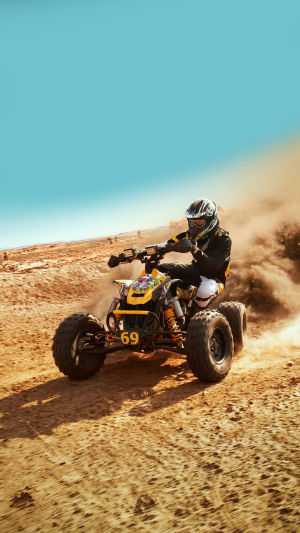
Hello there readers.
This guide examines high-performance all-terrain vehicles and provides practical operating procedures for sand environments.
The 2024 Yamaha Raptor 700R represents the traditional two-wheel-drive sport category. It features a 686cc liquid-cooled single-cylinder engine and a five-speed manual transmission with reverse. The chain-driven platform remains relatively lightweight, allowing operators to maneuver efficiently through complex terrain. This model targets experienced riders seeking manual gear control and agile cornering characteristics.
Many enthusiasts also evaluate the Honda TRX series, which provides a balanced chassis design and highly responsive throttle inputs. Real-world operators report these manual-shift models require frequent gear adjustments to maintain engine RPMs in soft sand. Official manufacturer figures indicate these vehicles excel on hard-packed trails, but they require specific tire modifications to maintain traction on steep dune faces.
<h3>Exploring Sport-Utility 4x4 Models</h3>
For riders seeking automatic operation and all-wheel traction, the 2024 Can-Am Renegade 1000R utilizes a 976cc V-twin engine producing approximately 91 horsepower. It employs a continuously variable transmission, removing the need for manual clutch operation. This heavier, four-wheel-drive configuration provides increased stability on long, straight sand inclines. The vehicle targets operators who prioritize raw acceleration and obstacle clearance over lightweight handling.
The 2024 Polaris Scrambler XP 1000 S shares a similar target market, offering a wide 55-inch stance and long-travel dual A-arm front suspension. These heavier utility-based machines utilize their four-wheel-drive systems to navigate deep sand without sinking into the surface. Operators find the automatic transmissions less fatiguing during extended riding sessions, though the additional overall weight increases braking distances on downhill sections.
<h3>Essential Dune Setup and Maintenance</h3>
Sand riding requires distinct vehicle preparation to prevent mechanical wear and maintain performance. Operators often replace standard knobby tires with specialized paddle tires on the rear axle and smooth-ribbed tires on the front. This combination maximizes forward while reducing drag during steering inputs. Tire pressure should be lowered to specific levels outlined in the owner manual, typically between three and five PSI, to increase the contact patch against the loose surface.
Fine sand particles easily intake systems and moving components. A pre-filter element installed over the primary air filter provides a necessary barrier against airborne debris. Operators must clean the air filter assembly after every riding session and inspect the drive chain or continuously variable transmission belt for signs of excessive wear. Consult a qualified technician if the engine exhibits unusual temperatures, as sand creates a high-load environment that stresses liquid cooling systems.
<h3>Safety Gear and Operating Procedures</h3>
Protective equipment prevents injury during vehicle roll-overs or collisions in low-visibility conditions. Operators require a Department of Transportation-approved helmet, shatter-resistant goggles, full-length protective clothing, and reinforced boots. High-visibility safety flags mounted to a flexible whip pole are mandatory in many off-road recreational areas to alert other drivers before cresting a blind hill.
Operating an all-terrain vehicle in sand requires smooth throttle application to prevent the wheels from digging a rut. Operators should maintain a steady forward momentum when climbing inclines and avoid abrupt braking on steep descents. If the vehicle becomes stuck, operators must dismount and carefully clear sand from the axles rather than accelerating further, which will only bury the machine deeper into the terrain.
The best ATV for dunes isn't simply the one with the most horsepower. A suitable drivetrain, proper tires, manageable weight, and smooth riding technique all matter when the terrain gets soft. Prepare the ATV properly, check its maintenance requirements, and ride within your skill level before taking on the next dune.


