

Hi, let's get started. A sports car can look right for daily use, but the real test is less about the badge and more about your Tuesday.
Not the sunny back road. Instead, you need to think about stop and go traffic, rough pavement, parking ramps, grocery bags, and whether you still feel fine after an hour behind the wheel.
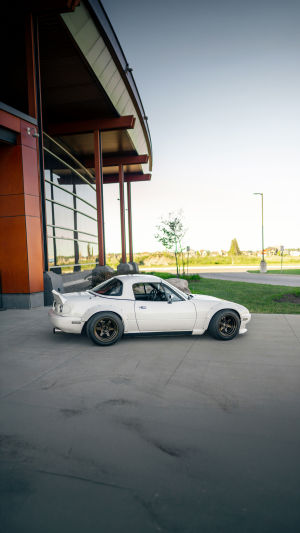
A car that feels exciting for 20 minutes can get tiring fast, and cars such as the Mazda MX-5 Miata and Porsche 911 show that the gap between fun and usable is often in the details.
<h3>Comfort shows up early</h3>
If you want to use a sports car every day, seat comfort matters before almost anything else. You notice it on a long commute, and you notice it again when you get back in later that same day. A supportive seat in something like a Porsche 911 or Chevrolet Corvette can make regular driving easy to live with, but a tightly padded bucket seat can start wearing on you if your drive includes an hour of traffic. Ride quality matters just as much. A firm setup feels sharp on smooth roads, but broken city pavement and expansion joints will tell you very quickly if the suspension is too stiff for your routine. You should also check road noise. Wide performance tires and a thin cabin can turn ordinary highway driving into constant background noise, and that gets old.
<h3>Visibility saves daily stress</h3>
You may expect speed to be the hard part, but low speed use is where trouble often starts. A low nose, thick roof pillars, and tiny rear glass can make parking harder than it should be. Mid-engine cars are a good example here, because some trade outward visibility for shape and layout. You want to know how easily you can place the car in a parking spot, see curbs, and judge traffic around you at an intersection. Turning radius matters too. A sports car that needs extra room for a U-turn will remind you every time you pull into a tight garage or a crowded lot. If you can, test it in the exact places you use most, not just on an open road.
<h3>Storage decides real usefulness</h3>
A lot of cars seem practical until you try to carry normal stuff. That means a backpack, a week of groceries, maybe a small suitcase, and the random things that pile up during a workweek. The Mazda MX-5 Miata is a common example because it stays fun and compact, but you still need to accept its limited cargo room. A Porsche 911 gives you rear seats that work better for bags than people, and that small detail can make a big difference in daily use. Cupholders sound minor until you use the car every day. Cabin storage, charging ports, and a place to set your phone matter in the same way. You do not buy a sports car for door bins, but if they are missing, you will notice.
<h3>Running costs make it real</h3>
Performance is the headline, but ownership costs decide whether daily use stays enjoyable. Fuel use is an obvious part of that, especially if your route is mostly city traffic. Tire wear is another one. High performance tires can wear quickly, and replacement sets are not cheap on cars with large staggered wheels. Maintenance access also matters. Some sports cars make simple service straightforward, while others turn routine work into a bigger bill because of tight packaging. Weather use belongs in this section too. Rear-wheel-drive cars on summer tires can be manageable in warm conditions, but if your area gets cold or wet for long stretches, tire choice and ground clearance become practical concerns, not side notes.
A sports car can work as a daily car, but not just because it is fast or well known. You need the boring parts to make sense, seat comfort, visibility, storage, ride quality, and costs you can actually live with. If a car handles your commute, your parking situation, and your weekly errands without turning each one into a chore, then it has a real shot at daily duty. So before you focus on horsepower or lap time, test the small daily stuff first, because that is where you will get your answer.


