

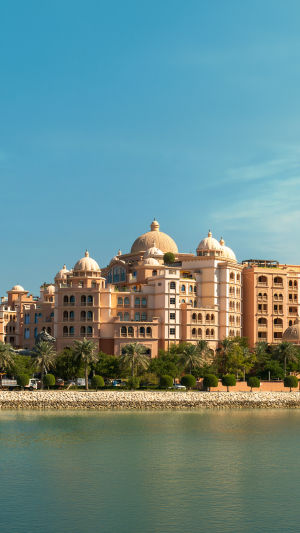
Qatar is small enough to explore without spending hours on the road, yet varied enough to combine city life, beaches, desert landscapes and cultural attractions in one trip.
Entry rules depend on nationality, but many travellers can enter visa-free or obtain an easy-entry visa through the Hayya system. Passport validity and accommodation requirements should always be checked before departure.
<h3>Start With Doha</h3>
Most trips begin in Doha, and getting around the capital is surprisingly affordable. Hamad International Airport is connected to the city by metro, making it easy to reach central districts without immediately relying on taxis.
A standard Doha Metro journey costs around <b>€0.50</b>, while a day pass is approximately <b>€1.45</b>. Trains are modern, air-conditioned and frequent, so the metro is usually the easiest option for travellers staying near major stations.
<b>Traveller tip:</b> If your hotel is close to a metro station, use public transport during the day and save taxis for late evenings or places outside the rail network.
Souq Waqif is one of the best places to begin exploring. Its narrow lanes are filled with spice stalls, coffee shops, restaurants and small stores selling saffron, dried limes, dates, tea and honey. Visit after sunset, when the temperature is more comfortable and the market feels much livelier.
<h3>Plan a Realistic Food Budget</h3>
Doha can be expensive if every meal is taken in an upscale hotel, but local restaurants make it much easier to control costs.
Casual cafés and simple local restaurants offer considerably better value than luxury hotel dining. Dinner is usually the most expensive meal of the day, especially if you choose restaurants in waterfront hotels or high-end shopping districts.
<b>Budget recommendation:</b> Allow around <b>€24–43 per person per day</b> for food if you mix inexpensive local restaurants with one more comfortable meal. Fine dining can easily push that figure much higher.
Try karak, a sweet spiced tea, alongside fresh flatbreads or simple snacks. Souq Waqif is a convenient area for an evening meal because you can combine dinner with sightseeing.
<h3>Visit the Museums</h3>
The National Museum of Qatar is one of the best introductions to the country’s history, including pearl diving, trade and modern development.
The Museum of Art is another essential stop. Adults admission for international visitors is around <b>€24</b>, while children aged 16 and under can enter free.
<b>Traveller tip:</b> Allow at least two hours for the Museum of Art and combine the visit with a walk through MIA Park and along the Corniche. Visiting during the hottest part of the afternoon also makes sense because much of the experience is indoors.
The National Museum of Qatar
<h3>Spend Half a Day in the Desert</h3>
One of the best reasons to leave Doha is Khor Al Adaid, or the Inland Sea, where large dunes meet tidal waters.
Entry to the natural area itself is free, but reaching it requires a suitable four-wheel-drive vehicle and an experienced driver.
Shared half-day desert safaris start from around <b>€53 per person</b> when three passengers share a vehicle. For two people, prices can rise to approximately <b>€79 per person</b>, while private tours for solo travellers are usually considerably more expensive. Standard excursions often last around four hours and may include dune driving, scenic stops and time at the Inland Sea.
<b>Booking tip:</b> Check exactly what is included before paying. Camel rides, meals, sandboarding and longer stays at desert camps may cost extra. The most comfortable period for desert excursions is generally from November to April, when daytime temperatures are milder.
<h3>Explore Qatar From the Water</h3>
Traditional dhow cruises are an easy way to see Doha from the coast, while kayaking and paddleboarding are available in several areas.
Prices vary widely depending on whether you choose a short shared cruise or a private boat, so it is worth comparing options rather than booking the first offer near the waterfront.
For something quieter, consider the mangroves around Al Thakira. These landscapes feel very different from central Doha and are a good option for travellers who want nature without committing to a full desert excursion.
<h3>How Much Should You Budget?</h3>
Accommodation is usually the biggest expense, especially if you stay in an international hotel near West Bay or the waterfront.
For a comfortable independent trip, a practical daily budget is around <b>€110–180 per person</b>, including a shared hotel room, meals, metro travel and some sightseeing.
Add more on days when you book a desert safari, private transfer, beach-club visit or upscale restaurant.
Budget travellers can spend less by using the metro, staying outside the most expensive waterfront districts and eating at local restaurants rather than relying on hotel dining.
<b>Money-saving tip:</b> Before booking accommodation, check whether your hotel is within walking distance of a metro station. Saving even two taxi journeys per day can noticeably reduce the total cost of a longer stay.
<h3>Respect Local Customs</h3>
Visitors should dress modestly in museums, markets and other public places. Covering shoulders and knees is a sensible rule, particularly at cultural attractions.
Summer heat is another important factor. Long outdoor walks can be uncomfortable, so plan museums and indoor attractions for the hottest part of the day and save markets, waterfront walks and outdoor sightseeing for mornings and evenings.
It is also worth carrying water and checking opening hours before travelling across the city, particularly on Fridays, when schedules at some attractions may differ.
<b>Qatar works best when you combine modern Doha with traditional markets, museums, desert scenery and time by the water. With inexpensive metro journeys, carefully chosen restaurants and one or two organised excursions, a comfortable trip can remain manageable without giving up the experiences that make the country worth visiting.</b>


