

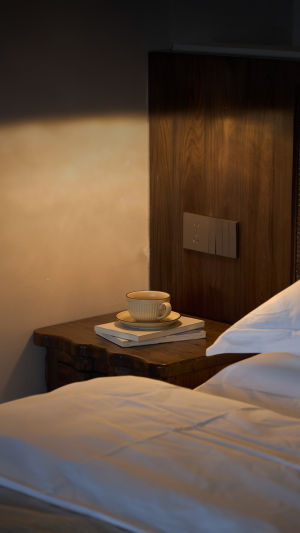
Sleeping in a brightly lit environment may affect more than rest. A large study has found that higher exposure to light at night is associated with changes in the structure and function of the heart, including thicker heart walls and reduced flexibility of the heart muscle.
The findings, published in the European Heart Journal, suggest that keeping bedrooms darker could be a simple way to support cardiovascular health.
<h3>More Than 11,000 People Were Studied</h3>
The research included 11,071 participants from the UK Biobank. Each person wore a wrist-mounted light sensor for seven days so researchers could measure nighttime light exposure under normal living conditions.
Three years later, participants underwent cardiac MRI scans. These detailed images allowed the researchers to examine both the structure of the heart and how effectively its chambers were functioning.
The team then compared people exposed to more than three lux of light at night with those who experienced almost complete darkness.
Professor Lu Qi of Tulane University, who led the study, explained that previous observational research had already linked nighttime light exposure with a greater risk of cardiovascular disease. He said the new study was designed to investigate whether measurable changes inside the heart could help explain that association.
<h3>Higher Light Exposure Was Linked To Heart Changes</h3>
Participants exposed to more nighttime light showed thickening of the wall of the left ventricle, one of the heart’s main pumping chambers.
As the ventricular wall became thicker, the internal space available inside the chamber was reduced. MRI scans also showed that the heart muscle was less able to relax and flex normally during each heartbeat.
Researchers detected additional changes in the right ventricle and left atrium, suggesting that nighttime light exposure was associated with effects across several parts of the heart rather than in a single chamber.
Qi explained that these findings were consistent with cardiac remodeling, a process in which the heart changes its structure and function in response to continuing stress or injury. He noted that while remodeling can initially help the heart adapt, persistent changes may eventually make it less efficient.
<h3>Why Nighttime Light Could Matter</h3>
The study does not prove that light exposure directly caused the observed heart changes. It was observational, meaning other lifestyle or environmental factors may also have influenced the results.
However, the findings add to growing research suggesting that nighttime light could interfere with the body’s normal biological rhythms.
Light after dark can affect circadian timing, sleep patterns and hormonal regulation, all of which may influence cardiovascular function over time.
<h3>Experts Recommend Looking At The Sleep Environment</h3>
In an accompanying editorial, Professor Thomas Münzel of University Medical Center Mainz and colleagues argued that doctors may need to pay greater attention to patients’ nighttime environments.
They explained that clinicians, particularly those caring for people with heart failure or atrial fibrillation, could consider asking about bedroom darkness, night-shift work and screen exposure after sunset.
The editorial authors suggested several inexpensive ways to reduce exposure, including blackout curtains, warmer bedside lighting and covering small standby lights on electronic devices.
They also noted that reducing unnecessary outdoor light could have wider public-health benefits, since street lighting can be adjusted through shielding, dimming and warmer-spectrum bulbs.
<h3>Darker Nights May Be Worth Considering</h3>
The findings do not mean that occasional exposure to nighttime light will damage the heart. They instead point to a possible long-term relationship between repeated light exposure and early cardiac changes.
More research is needed to determine whether reducing nighttime light can directly prevent heart disease. Still, the study suggests that the sleep environment may be an overlooked part of cardiovascular health.
For people who routinely sleep with bright lamps, screens or outdoor light entering the bedroom, creating a darker environment may be a simple and low-cost habit worth considering.


