

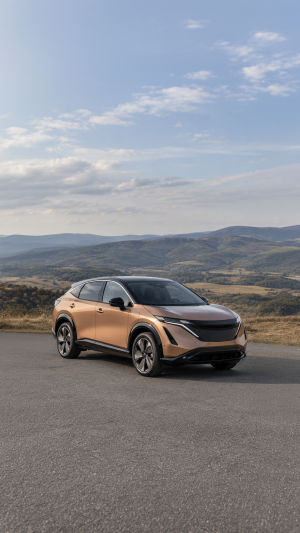
Europe's transition towards electric mobility is creating fresh tensions between major automotive markets. Japan has expressed concern over proposals that could prevent Japanese-made electric cars from receiving preferential treatment in the European Union.
The disagreement emerged after France and Germany announced a common position on incentives designed to support European vehicle manufacturing. Tokyo argues that restricting eligibility according to where a car is produced could disadvantage Japanese manufacturers and undermine fair competition.
<h3>Why Japan Is Raising Concerns</h3>
On 19 October 2026, Japanese Chief Cabinet Secretary Minoru Kihara confirmed that Tokyo had communicated its concerns to European authorities.
Japan wants vehicles manufactured domestically to receive treatment comparable to those produced within the EU.
Kihara also emphasised that the proposed arrangements remain under discussion among European member states. Japan intends to monitor developments and consider appropriate responses as negotiations continue.
The disagreement therefore concerns a proposed framework rather than restrictions already imposed across Europe.
<h3>What France And Germany Want</h3>
France and Germany have agreed on an approach intended to strengthen Europe's automotive manufacturing industry.
Under their proposal, electric vehicles produced in Japan would not qualify for certain preferential incentives being considered by the EU.
Vehicles manufactured in South Korea and Turkey would also be excluded, while those produced in the United Kingdom could receive conditional preferential treatment.
Supporters of production-based incentives argue that they could encourage investment in European factories and help protect industrial employment.
However, restricting eligibility could also affect overseas manufacturers that supply vehicles to European customers.
<h3>Why Japan Matters To Europe</h3>
Japan is an important participant in the European automotive market, with established manufacturers operating extensive international supply chains.
According to the European Automobile Manufacturers' Association, Japanese vehicles accounted for approximately 11% of the value of EU vehicle imports in 2022.
More recent figures from the Japan Automobile Manufacturers Association show that Japan exported around 1.51 million vehicles worldwide during the first five months of 2026.
Overall exports remained broadly stable, while shipments to the EU increased.
These figures highlight the commercial importance of maintaining access to European customers, although they do not represent the market share of Japanese electric vehicles specifically.
<h3>What Could This Mean For Drivers?</h3>
For consumers, the most important question is whether future incentives will apply equally to different electric models
If eligibility depends on manufacturing location, buyers could find that otherwise comparable vehicles receive different financial benefits.
This might influence purchasing decisions, particularly among households choosing electric cars primarily for affordability.
The precise effects remain uncertain because the proposed framework has not been finalised. Details concerning eligibility, incentive amounts and implementation dates are still subject to negotiation.
<h3>The Challenge Facing Manufacturers</h3>
Automotive companies must balance international competition with growing pressure to invest in electric technology.
Manufacturers operating factories across several countries may need to reconsider production strategies if future incentives favour particular locations.
At the same time, European authorities face the challenge of encouraging domestic investment while maintaining access to competitively priced vehicles.
<h3>What Happens Next?</h3>
The outcome will depend on negotiations between EU member states and discussions with affected trading partners. Until a final agreement is reached, the proposed exclusions should not be treated as established rules.
For Europe's electric car market, the debate highlights how industrial priorities and international competition are increasingly shaping the future of cleaner transport.


