

Japan may look complicated to navigate, especially for first-time visitors planning to explore several cities. Yet its excellent transport network makes travelling between futuristic Tokyo, historic Kyoto and remote mountain villages surprisingly straightforward.
The secret to an affordable journey is choosing the right transport for each destination. While high-speed trains are ideal for covering long distances quickly, buses, regional railways and domestic flights can offer better value depending on your itinerary.
<h3>Explore Japan by Shinkansen</h3>
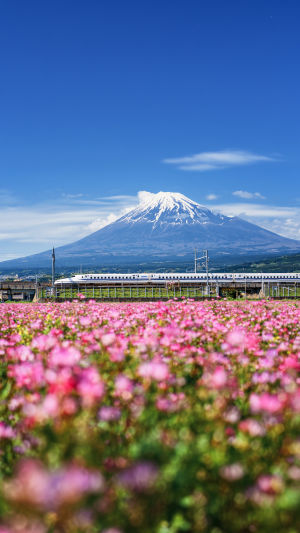
Japan's famous Shinkansen trains are among the most convenient ways to travel between major cities. Comfortable, punctual and exceptionally fast, they connect destinations across the country.
A journey from Tokyo to Kyoto takes approximately two hours and 20 minutes on the fastest services, with standard tickets costing around €80–€85.
Travelling between Kyoto and Osaka is considerably cheaper. Ordinary trains complete the journey in approximately 30 minutes, with fares starting around €3.30.
Tickets can be purchased at stations or through official online booking services. Reserving seats is advisable during busy holiday periods.
<h3>Is The Japan Rail Pass Worth It?</h3>
The nationwide Japan Rail Pass allows eligible international visitors to use many JR services, including most high-speed trains, for a fixed period.As of November 2026, standard adults passes purchased through the official online service cost approximately:
Seven days: €284
Fourteen days: €454
Twenty-one days: €567
Passes purchased through overseas agencies may cost slightly more. However, the pass is not automatically the cheapest option. Travellers visiting only Tokyo, Kyoto and Osaka can often save money by purchasing individual tickets.
Regional rail passes may offer better value when concentrating on one area.
<h3>Save Money With Overnight Buses</h3>
Long-distance buses provide a practical alternative for budget-conscious travellers.
Operators connect Tokyo, Osaka, Kyoto and many regional destinations. Overnight services are particularly useful because they can reduce accommodation expenses.
Some coaches feature reclining seats, privacy curtains and charging facilities.
Although journeys take longer than high-speed trains, buses are worth considering when travel costs matter more than speed.
Booking early generally provides greater choice, especially during school holidays and major festivals.
Osaka
<h3>Explore Rural Japan By Car</h3>
Hiring a car offers flexibility in regions where public transport is limited, including Hokkaido, Shikoku and the Japanese Alps.
Compact rental cars can start at approximately €40 per day, excluding fuel, insurance upgrades and road tolls.
Driving is on the left, and many foreign visitors need an appropriate International Driving Permit.
Mountain roads may become dangerous during winter, so checking weather conditions and seasonal closures is essential.
<h3>Use Local Transport Like A Resident</h3>
In major cities, trains, underground services and buses are usually more convenient than taxis.
A typical Tokyo Metro journey costs approximately €1–€2, depending on distance.
Rechargeable transport cards such as Suica, Pasmo and Icoca simplify journeys across many regional networks.
Cycling is another enjoyable option in smaller cities. Basic bicycle hire can start around €6 per day, making it an affordable way to explore local neighbourhoods.
<h3>Flights And Ferries For Longer Journeys</h3>
Domestic flights can save considerable time when travelling between distant destinations, especially when visiting Hokkaido or Okinawa.
Meanwhile, ferries connect islands and coastal communities, sometimes offering overnight accommodation.
For longer routes, compare total journey times, including airport transfers or ferry connections, before booking.
<h3>Plan Your Journey Wisely</h3>
Japan's transport system offers remarkable flexibility, but the cheapest option depends on distance, timing and personal preferences. Combining trains for major cities with buses or rental cars for regional adventures can make a holiday both comfortable and affordable.
With a little preparation, getting around Japan becomes part of the experience rather than a challenge.


