

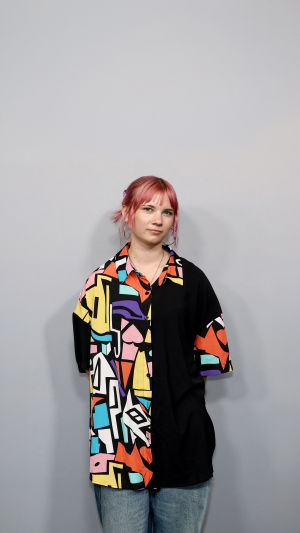
Growing up often means trying to work out where you belong, especially when the people around you seem more confident and comfortable with themselves. Paloma Schneideman’s New Zealand film Big Girls Don’t Cry explores this familiar experience through the summer of a teenager who wants to become someone different.
Set in a small coastal community in 2006, the drama follows the uncertain decisions, strained friendships, and personal discoveries that shape one memorable school holiday.
<h3>A Summer Filled With New Experiences</h3>
The story takes place during a six-week summer break in rural New Zealand. With school temporarily out of the picture, Sid has more freedom to spend time with friends, visit familiar places, and seek experiences beyond her usual routine. The relaxed coastal setting provides a contrast to the uncertainty she feels about her place among other teenagers.
Sid's attention turns towards Lana and a wider group of young people whose confidence attracts her. She begins spending less time with her longtime friend Tia, creating distance in a relationship that once felt secure. The difference between the two girls becomes increasingly noticeable as Sid becomes more interested in gaining acceptance from a new circle.
The film presents this shift without making either character entirely right or wrong. Sid can be thoughtless, while Tia has her own feelings and expectations. Their friendship reflects how growing up can affect even the closest connections, particularly when one person starts looking for a different social identity.
<h3>The Complications of Online Identity</h3>
Technology plays an important part in the film's setting. In 2006, online communication was becoming part of everyday teenage life, but it looked different from the instant, always-connected platforms familiar to many people today. Chat rooms and messaging services offered opportunities to speak with strangers and present a version of oneself that might not match reality.
Sid uses an online identity that is not her own to enter conversations and gain attention. At first, the activity may seem like an easy way to experiment with how other people perceive her. However, pretending to be someone else creates consequences that extend beyond the computer screen.
This part of the story highlights a lasting issue with online communication: people can build relationships around information that is incomplete or misleading. A person may feel protected by a screen, but messages can still affect real friendships and trust. Sid's experience shows why honesty matters, especially when online interactions involve people who do not know the full story.
<h3>Family Relationships and Emotional Distance</h3>
Sid's home life adds another layer to the narrative. She lives with her father, Leo, played by Noah Taylor, and has an older sister, Adele, portrayed by Tara Canton. Their household provides a familiar setting, but it does not always offer the understanding Sid wants.
Leo has his own disappointments and responsibilities, which influence how much attention he gives his daughter. Adele also has her own life, leaving Sid to work through many questions without always receiving the guidance she hopes for.
The film does not present family members as simple sources of support or conflict. Instead, it shows how people living under the same roof can misunderstand one another. Sid wants to be taken seriously, while those around her may not fully recognise the feelings behind her behaviour.
<h3>A Natural Performance and Visual Style</h3>
Ani Palmer gives the central character a convincing sense of uncertainty. Sid is not presented as perfectly thoughtful or consistently likeable. She makes poor decisions, sometimes overlooks the feelings of others, and struggles to explain what she wants. Palmer's performance allows these different sides of the character to appear naturally rather than turning her into a simple lesson about teenage behaviour.
Schneideman's direction also gives the story room to breathe. Instead of relying on constant dramatic events, the film uses small interactions and everyday settings to build its emotional atmosphere. The coastal landscape, summer light, and carefully composed images help establish a strong sense of place.
The production is notable as the first feature to emerge from A Wave in the Ocean, a filmmaking programme associated with Jane Campion. Cinematographer María Inés Manchego contributes to the film's restrained visual approach, while the editing supports its gradual, observational rhythm.
Big Girls Don’t Cry offers a thoughtful portrait of a teenager trying to understand her place among friends and family. Its story connects personal relationships with the early internet era, showing how the desire for attention can lead to choices that are difficult to manage.
The film's strength lies in its attention to small experiences rather than exaggerated drama. Sid's summer is filled with awkward conversations, shifting friendships, and moments of uncertainty that gradually shape her perspective. Through Ani Palmer's performance and Paloma Schneideman's measured direction, the film presents growing up as an imperfect process in which self-understanding develops one experience at a time.


