

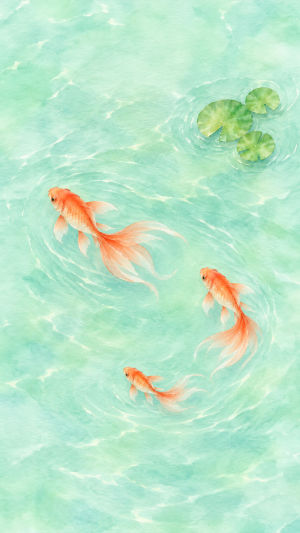
Goldfish are popular pets because of their bright colors, graceful movements, and interesting behavior. Watching them swim around an aquarium can bring a peaceful feeling to any room. However, keeping goldfish healthy involves more than providing water and food.
They need a suitable living space, clean water, balanced meals, and regular attention. With a few simple habits, beginners can create a comfortable environment for their fish.
<h3>Prepare the Aquarium</h3>
A suitable aquarium is the foundation of good goldfish care. Before bringing new fish home, prepare a tank with enough swimming space. Goldfish produce considerable waste, so a larger aquarium is generally easier to maintain than a small bowl. A reliable filtration system also helps keep the water clean.
When new goldfish arrive, avoid transferring them directly into the aquarium. Sudden temperature changes can cause stress. Allow the sealed transport bag to float in the aquarium for around 15–20 minutes. Then gradually introduce small amounts of aquarium water into the bag before moving the fish.
Use a clean fish net for the transfer, and avoid pouring transport water into the aquarium. Keep the lighting gentle while the fish adjust to their new surroundings.
<h3>Maintain Lighting and Cleanliness</h3>
Goldfish benefit from a regular pattern of light and darkness. Around 8–10 hours of light daily is a reasonable starting point. Keep the aquarium away from direct sunlight because excessive sunlight can encourage algae growth and cause temperature changes.
Regular cleaning is equally important. Remove leftover food and visible waste before they affect water quality. Clean the aquarium glass when algae accumulates, and maintain the filter according to its instructions.
Avoid cleaning everything at once. Beneficial bacteria live in aquarium filters and help break down fish waste. Preserving these bacteria supports a healthier environment.
<h3>Monitor Water Temperature and Quality</h3>
Goldfish generally prefer cool, stable water. Sudden temperature changes can place unnecessary stress on them, so use a thermometer to monitor aquarium conditions.
Tap water may contain chlorine or chloramine, which can harm fish. Always treat replacement water with a suitable water conditioner before adding it to the aquarium.
Water testing kits help monitor ammonia, nitrite, nitrate, and pH levels. Ammonia and nitrite should remain at zero in an established aquarium. Nitrate should also be controlled through regular maintenance and partial water changes.
If goldfish frequently swim near the surface, breathe rapidly, or become unusually inactive, check the water conditions. These behaviors may indicate poor water quality or insufficient oxygen. Proper filtration and surface movement help maintain suitable oxygen levels.
<h3>Choose Suitable Food</h3>
Goldfish need balanced meals to support healthy growth and normal activity. Specially formulated goldfish pellets or flakes are convenient everyday choices. Suitable vegetable foods, such as blanched peas with the outer skin removed, can also add variety.
Avoid overfeeding. Uneaten food can break down and pollute the aquarium. Offer small portions that the fish can finish within approximately two minutes. Follow the feeding instructions for the chosen food and adjust portions according to the fish's size and appetite.
Observe feeding habits regularly. If food remains uneaten, reduce the next portion and remove leftovers. Consistent feeding is more beneficial than giving large amounts.
<h3>Change Water Carefully</h3>
Partial water changes help remove accumulated waste. Replacing approximately 20–30% of the water weekly is a practical starting point for many aquariums, although the ideal schedule depends on tank size, filtration, and the number of fish.
Prepare replacement water with a suitable conditioner and make sure its temperature is close to the aquarium water. Add it slowly to avoid disturbing the fish.
An aquarium siphon can help remove waste from the bottom. Avoid replacing all the water unnecessarily because sudden changes may disturb the aquarium's biological balance.
<h3>Observe Your Goldfish Daily</h3>
Regular observation helps identify possible problems early. Healthy goldfish are generally active, respond to feeding, and swim comfortably.
Pay attention to changes in appetite, breathing, swimming patterns, and fin appearance. Unusual spots, damaged fins, or persistent surface swimming may indicate health concerns. Check water conditions first and seek advice from an aquatic veterinarian when necessary.
Keeping goldfish healthy does not require complicated routines. A suitable aquarium, stable water conditions, balanced feeding, and careful cleaning provide the foundation for good care. With patience and consistent attention, beginners can create a comfortable home where their goldfish can thrive for years.


