

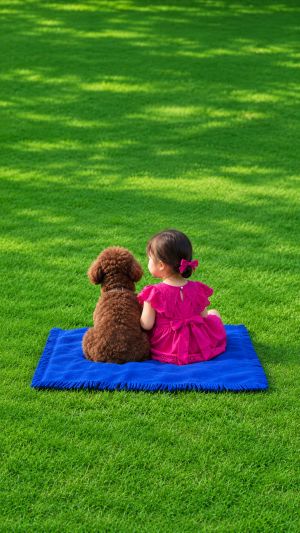
Bringing a dog into the family can be a wonderful opportunity for children to learn responsibility. Beyond enjoying playtime and companionship, children discover that caring for another living creature requires attention, patience, and consistent effort.
Feeding a dog, keeping its sleeping area clean, and helping with daily routines are practical activities that teach valuable lessons. With parental guidance, caring for a dog can become a rewarding family experience.
<h3>Assign Daily Responsibilities</h3>
One of the easiest ways to teach responsibility is to give children simple, age-appropriate dog care tasks. These might include preparing food, refreshing drinking water, organizing supplies, or helping clean the dog's sleeping area.
Younger children can begin with small activities, while older children can gradually take on additional duties, such as brushing the dog's coat or joining family walks.
Make every task clear and manageable. Parents can create a daily checklist with their children so they know what needs to be completed. Checking off finished activities helps children recognize their progress and understand that caring for a dog requires regular attention.
<h3>Establish Rules and Routines</h3>
A predictable routine helps children understand how responsibility works in everyday life. Families can establish schedules for feeding, walking, cleaning, and bathing the dog.
Children should also learn basic household rules, such as keeping personal belongings away from the dog's reach and treating the animal gently during playtime.
Invite children to participate in creating these rules. When they understand why certain activities matter, they are more likely to follow them.
Consistency is equally important. Children need to learn that responsibilities should be completed even when they feel tired or would rather do something else.
<h3>Help Children Understand a Dog's Needs</h3>
Responsibility involves more than completing a checklist. Children should understand that dogs have individual needs, feelings, and daily habits.
Encourage them to observe the dog's behavior and recognize when it wants to play, rest, eat, or receive attention. Explain why respecting the dog's personal space and handling it gently are important.
Children can also participate in simple training activities under parental supervision. Teaching basic commands helps them practice patience, clear communication, and positive encouragement.
These experiences help children understand that their actions can influence another living creature.
<h3>Develop Patience Through Training</h3>
Teaching a dog new habits takes time and repeated practice. This gives children an opportunity to develop patience and understand that progress does not always happen immediately.
Parents can introduce short training sessions and allow children to participate. If the dog does not respond as expected, children should learn to remain calm and repeat instructions gently.
Praise their effort rather than focusing only on results. Recognizing patience and consistency encourages children to continue learning and caring for their pet.
<h3>Encourage Positive Habits</h3>
Positive encouragement can motivate children to complete their responsibilities. When they remember to prepare food, refresh water, or clean the dog's sleeping area, parents can offer sincere praise.
Small rewards, such as choosing a weekend family activity, can also encourage consistent participation.
If children forget a task, explain what happened and why the responsibility matters. Instead of using harsh punishment, help them correct the situation and understand how to improve next time.
<h3>Make Dog Care a Family Commitment</h3>
Although children can participate in daily care, parents remain responsible for the dog's overall well-being. Young family members may forget tasks or need help with certain activities, so parental supervision is essential.
Families can divide responsibilities according to everyone's abilities and schedules. Regularly reviewing the arrangement also helps prevent tasks from becoming overwhelming.
Children should understand that having a dog is a shared family commitment, not a responsibility placed entirely on one person.
<h3>Final Thoughts</h3>
Caring for a dog offers children practical opportunities to develop responsibility, patience, and consideration for others. Through feeding, cleaning, training, and daily routines, they learn that caring for another living creature requires consistent effort.
With clear expectations, encouragement, and parental guidance, these everyday activities can become meaningful learning experiences. Most importantly, children discover that responsibility means understanding the needs of others and making an effort to care for them.


