

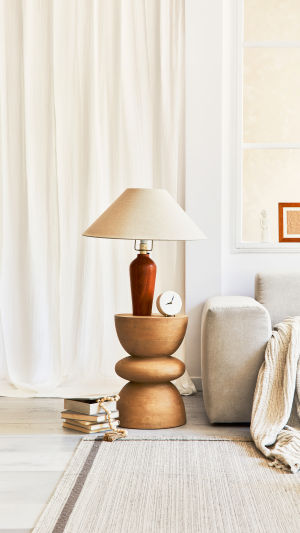
A living room needs more than a single ceiling light to feel comfortable and well-designed. Different activities call for different levels of brightness, whether you are reading, entertaining guests, or relaxing in the evening.
Combining several light sources can add depth to the interior while highlighting furniture, artwork, and decorative details. From elegant ceiling fixtures to soft table lamps, thoughtful lighting choices can make the room more practical and visually appealing.
<h3>1. Make a Statement With a Chandelier</h3>
A chandelier can become the main decorative feature of a living room. Instead of choosing a fixture that blends into the ceiling, consider a design with an interesting shape, material, or finish that complements the surrounding furniture. Larger rooms can accommodate oversized chandeliers, while smaller interiors may benefit from compact designs that provide enough illumination without overwhelming the space. Globe-shaped fixtures offer a softer appearance, while more traditional styles bring a sense of elegance.
<h3>2. Add Warmth With Table Lamps</h3>
Table lamps are an effective way to introduce softer illumination at a comfortable height. Place them on side tables, consoles, or cabinets near seating areas to create a welcoming atmosphere. A pair of matching lamps can frame a sofa or fireplace, giving the room a balanced appearance. Alternatively, combining different lamp shapes and finishes can create a more relaxed, collected look.
<h3>3. Use Floor Lamps to Brighten Dark Corners</h3>
A floor lamp can fill an empty corner while providing additional light for everyday activities. Position one beside an armchair or sofa to create a comfortable reading spot. Adjustable floor lamps are particularly useful because their direction can be changed depending on the activity. Arched designs can extend over seating areas, while sculptural fixtures can function as decorative accents even when switched off.
<h3>4. Highlight Walls With Sconces</h3>
Wall sconces provide another layer of lighting while adding decorative detail to vertical surfaces. They work particularly well beside fireplaces, mirrors, artwork, or sofas. A pair of sconces can create symmetry around a focal point, while upward-facing fixtures help spread light across the wall. Shaded designs produce a softer effect that complements table and floor lamps.
<h3>5. Use Dimmers to Control Brightness</h3>
A dimmer switch makes it easier to adjust the room's lighting throughout the day. Brighter settings are useful when cleaning, reading, or hosting guests, while lower brightness can create a calmer environment in the evening. Rather than controlling every fixture together, consider separating the main ceiling lights from table lamps and accent lighting. This allows different combinations to suit different activities.
<h3>6. Highlight Artwork and Shelving</h3>
Accent lighting can bring attention to decorative features that might otherwise disappear when the main lights are switched off. Picture lights are useful for paintings and framed photographs, while small spotlights can highlight particular objects. Shelves and built-in cabinets can also benefit from additional illumination. LED strips placed beneath shelves or small lights inside cabinets help display books, ceramics, and collected accessories.
A comfortable living room depends on a thoughtful combination of lighting rather than one central fixture. By choosing suitable bulb temperatures and adjusting brightness for different activities, you can create a living room that feels practical during the day and relaxing in the evening.


