

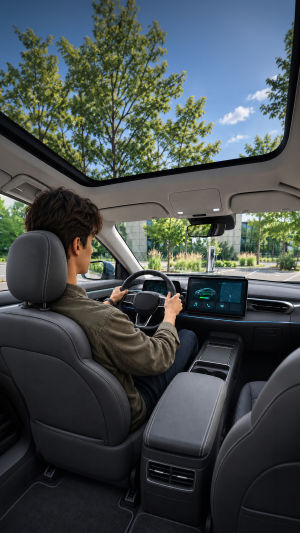
Buying a car used to involve comparing engine power, transmission types and brand reputation. Today, the decision can look very different, particularly among younger consumers who have grown up using smartphones and digital services.
As electric vehicle technology develops, manufacturers are increasingly competing through digital experiences. Companies such as Xiaomi and Huawei have entered the automotive market, while traditional carmakers are working to improve their software and connectivity.
<h3>A New Generation of Car Buyers</h3>
Younger consumers often approach electric vehicles with expectations shaped by their experience with smartphones. Instead of focusing mainly on mechanical specifications, they pay close attention to how well the technology works inside the cabin. Important considerations include the quality of the vehicle's software, charging infrastructure and available financial incentives. Buyers also want digital systems that feel familiar, responsive and easy to personalize.
This does not mean traditional features have become irrelevant. Brand reputation and engineering still matter, but software capabilities and digital integration are becoming increasingly important when customers compare models. The shift is visible across several regions, including China, North America and Europe.
<h3>Smartphone Habits Influence Vehicle Choices</h3>
For digitally minded buyers, an electric car can feel like a hardware platform that needs a reliable operating system. The quality of its screens, menus, applications and connected services can influence how attractive the entire vehicle appears. Younger consumers often research cars online before visiting a showroom. Social media, customer reviews, digital advertising and opinions shared by other owners can all influence their decisions.
The experience inside the vehicle matters just as much. Research discussed in the original article suggests that Gen Z consumers show particular interest in entertainment features and personalized digital experiences. Connectivity systems such as Apple CarPlay and Android Auto have also become important expectations. Drivers want their smartphones to work smoothly with the vehicle, allowing familiar applications and personal settings to remain accessible.
A slow touchscreen or confusing menu can create frustration. If basic actions require too many steps, buyers may judge the entire vehicle more negatively, even when its other features are appealing.
<h3>Personalization and Data Security Matter</h3>
Modern consumers increasingly expect technology to recognize their preferences. In a connected vehicle, that could mean personal settings and digital profiles being available when someone enters the cabin. The same expectation applies to entertainment and communication. Drivers may want their preferred music services and other familiar features to work without repeatedly setting everything up.
However, greater connectivity also creates questions about personal information. Just as smartphone users pay attention to application permissions and data tracking, younger car buyers may consider how a connected vehicle collects, stores and uses their information. Trust therefore becomes an important part of the ownership experience.
<h3>Why Driving Still Needs Physical Controls</h3>
There is, however, an important difference between using a smartphone and operating a car. A phone can be used while sitting comfortably, but drivers must keep their attention on the road. As manufacturers add larger screens and more digital menus, basic tasks can become unnecessarily complicated. Adjusting climate settings or accessing important vehicle functions should not require drivers to search through several layers of menus.
<h3>Automakers Reconsider Screen-Only Designs</h3>
Some manufacturers are now reconsidering the decision to remove too many physical buttons. Volkswagen and Mazda have publicly acknowledged that eliminating traditional controls was a mistake. A more balanced approach combines digital technology with physical controls for essential functions.
Drivers can benefit from connected services and modern displays while still having straightforward access to important settings. This approach recognizes that a car has different responsibilities from a smartphone. Its technology must support the driving experience rather than create additional distractions.
Younger consumers are bringing their digital habits into the automotive market. They expect electric vehicles to offer responsive software, familiar connectivity, personalization and convenient entertainment features. However, a successful digital experience cannot come at the expense of practical design. Manufacturers need to understand that a vehicle is both a connected product and a machine that requires constant attention while moving.


