

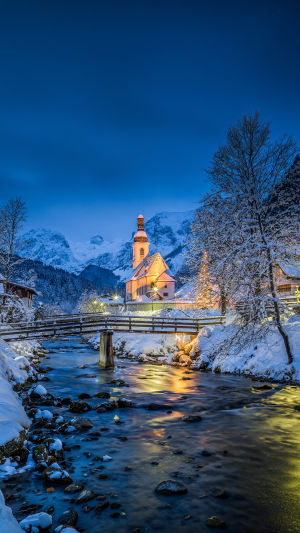
Hello, readers. Bavaria’s Alpine towns offer winter scenery, historic streets, and easy access to mountain excursions.
Winter changes the trip: some sightseeing spots become quieter, while Alpine ski towns can remain busy and expensive during holidays. Plan around daylight, transport, snow conditions, and opening hours.
Bavaria
<h3>Planning Your Winter Budget</h3>
For a mid-range hotel room, budget roughly $110 to $180 per night. Alpine resorts can be busy during Christmas, New Year, and school holidays, so compare your dates before booking. In December, plan outdoor sightseeing before sunset at around 4:30 p.m.
<h3>The towns worth the cold</h3>
Garmisch-Partenkirchen sits right under the Zugspitze, Germany's highest peak at 2,962 meters, and the cable car runs year-round. Neuschwanstein Castle in winter is a different visit entirely, with snow on the towers and maybe a tenth of the summer queue. Füssen, the town below it, stays open and calm. For something less famous, try Mittenwald, a small town known for violin making, where the painted houses look sharp against fresh snow and you can walk the center in an hour.
<h3>Getting around without a car</h3>
The Bayern-Ticket covers participating regional trains and local transport services across Bavaria. Budget approximately $40 for one person, plus $12 for each additional traveller, up to five people. On weekdays, validity normally begins at 9 a.m.; ICE and IC trains are excluded. From Munich, regional trains reach Garmisch-Partenkirchen and Füssen. For Spitzingsee, take a BRB train to Schliersee and continue by bus 362. The Zugspitze cogwheel train reaches Zugspitzplatt, where the Gletscherbahn cable car continues to the summit. Mountain transport requires a separate ticket. Check the last return connection before leaving.
<h3>Skiing, sledding, and the cheap version</h3>
For skiing at smaller Bavarian resorts, budget around $65 or more for a standard day pass, excluding equipment rental. Near Tegernsee, Wallberg offers a challenging 6.5-kilometre natural toboggan run, with sled rental costing about $9; the run opens only when snow conditions permit.
<h3>Before you go</h3>
Book mountain transport early, since some cable cars close in high wind. Pack layers and real waterproof boots, because wet slush in Munich is more common than deep powder. Check winter opening hours before travelling; Neuschwanstein opens daily except on specified holiday closure dates, with shorter visiting hours. And keep your schedule loose: a snowed-in pass can reroute your whole day, so build in a buffer.
<h3>Where to Eat</h3>
In Garmisch-Partenkirchen, Füssen, and Mittenwald, budget around $15 to $25 for a casual vegetarian meal, such as vegetable pizza or pasta with tomato sauce. Mountain restaurants can cost more, so plan lunch before a longer excursion.
Winter Bavaria rewards you for planning around the season instead of fighting it. Go for the winter scenery and town walks, and let the short days set your pace. Next time someone tells you Bavaria is a summer destination, you'll know better.


