

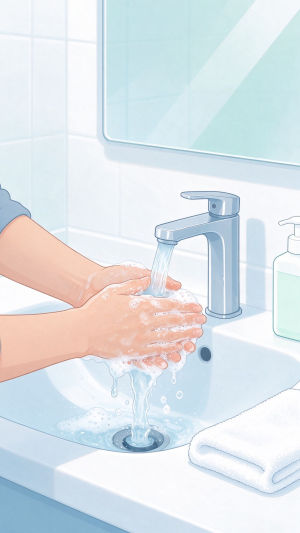
Hand hygiene is a fundamental component of infection prevention and public health.
Throughout the day, hands come into contact with people, objects, and frequently touched surfaces, creating opportunities for microorganisms to spread.
Appropriate cleaning helps interrupt these transmission pathways and reduces the likelihood of infections in homes, workplaces, schools, and healthcare facilities. Although handwashing is a straightforward daily activity, its effectiveness depends on proper technique and timing. Understanding when and how to clean the hands is therefore essential for maintaining personal hygiene and supporting safer shared environments.
<h3>Understanding Hand Transmission</h3>
Hands can collect bacteria, viruses, and other microorganisms through contact with contaminated surfaces, biological materials, or infected individuals. These microorganisms may subsequently reach the eyes, nose, mouth, food, or other surfaces through direct contact.
This transmission process is particularly relevant when preparing meals, using shared equipment, caring for patients, or handling frequently touched objects. Consistent hand cleaning interrupts these pathways and forms an important part of routine infection control.
<h3>Essential Handwashing Steps</h3>
Effective handwashing involves several coordinated actions that help clean all areas of the hands. Simply rinsing with water is insufficient because soap and friction are necessary to remove dirt and microorganisms effectively.
The recommended procedure includes:
- Wet the hands with clean running water.
- Apply enough soap to cover all surfaces.
- Rub the palms, backs of the hands, spaces between the fingers, thumbs, fingertips, and areas around the nails.
- Continue rubbing for at least 20 seconds.
- Rinse thoroughly under clean running water.
- Dry completely with a clean towel or disposable paper towel.
Particular attention should be given to the fingertips, thumbs, and spaces between the fingers, as these areas can be overlooked during routine washing. Thorough drying completes the process and supports good hygiene.
<h3>Choosing the Right Cleaning Method</h3>
Soap and water are the preferred choice when hands are visibly dirty or contaminated with organic material. Handwashing is particularly important after using the toilet, before preparing food, before eating, and after handling potentially contaminated materials.
When washing facilities are unavailable, an appropriate hand sanitizer containing at least 60% antimicrobial ingredients can provide an effective alternative for many common microorganisms. The product should cover the entire surface of both hands, which must then be rubbed together until completely dry.
However, sanitizers do not provide equivalent protection against every microorganism. Soap and water are particularly important in situations involving norovirus and Clostridioides difficile, as well as whenever visible dirt is present. Healthcare professionals should follow the relevant infection-control procedures for specific pathogens.
<h3>Hand Hygiene in Healthcare</h3>
Healthcare environments require carefully coordinated hygiene procedures because patients may have increased susceptibility to infections during treatment and recovery. Medical professionals must therefore clean their hands at specific stages of patient care.
The internationally recognized five moments for hand hygiene are:
- Before touching a patient.
- Before performing a clean or aseptic procedure.
- After exposure to body fluids or associated risks.
- After touching a patient.
- After touching the patient's surroundings.
These indications help healthcare professionals maintain appropriate hygiene throughout patient interactions and medical procedures. Integrating them into everyday clinical routines supports patient safety and strengthens infection prevention programs.
The World Health Organization emphasizes the importance of these practices, stating: "Hand hygiene saves millions of lives every year when performed at the right moments during health care delivery."
This statement highlights the importance of consistent hand hygiene in patient protection and healthcare quality.
<h3>Maintaining Healthy Skin</h3>
Frequent washing and repeated exposure to cleansing products can affect the skin's natural protective barrier. Appropriate skin care is therefore an important consideration for people who perform hand hygiene regularly, particularly healthcare professionals.
Applying a suitable moisturizer after washing helps maintain hydration and skin comfort. Gentle cleansing products and comfortably warm or cool water are also useful choices for everyday care.
Healthcare facilities can further support staff by providing suitable moisturizers and skin-care products. Selecting compatible products helps maintain comfortable hygiene routines while meeting professional infection-control requirements.
<h3>Establishing Lasting Hygiene Habits</h3>
Successful infection prevention depends on making appropriate hand hygiene part of everyday routines. Accessible washing facilities, clear instructions, and practical education can encourage consistent practices across households, schools, workplaces, and healthcare environments.
In clinical settings, professional training and regular feedback help reinforce correct procedures. In community environments, simple educational messages can improve awareness of important handwashing moments, particularly before food preparation and after using shared facilities.
Making these practices part of daily life creates a reliable foundation for personal hygiene and community health.
<h3>Everyday Care, Lasting Protection</h3>
Proper hand hygiene is an essential preventive practice that supports individual well-being and public health. Effective washing techniques, appropriate cleaning products, and consistent routines help limit the transmission of microorganisms across everyday and healthcare environments.
By understanding the principles of hand hygiene and applying them consistently, individuals and healthcare professionals can contribute to safer surroundings, better patient care, and stronger infection prevention practices.


