

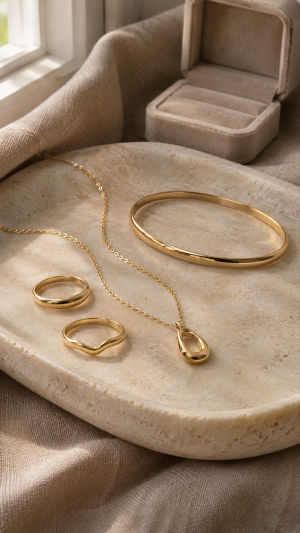
Gold jewellery has traditionally been valued for its appearance, craftsmanship, and precious-metal content. When gold prices rise, some buyers also consider necklaces, rings, and bracelets as potential additions to their investment holdings.
Unlike gold bullion and coins, jewellery offers something beyond metal ownership: the opportunity to wear and enjoy an asset while retaining some underlying material value.
<h3>Purchase Price Matters</h3>
According to Matt Harris, a consignment jewellery and gemstone expert at Curated Fine Jewelry, purchase price is central to jewellery's investment potential. He recommends looking for relatively simple gold pieces, including chains, rings, and bracelets, through consignment shops and private marketplaces.
Pre-owned jewellery can sometimes be available at prices only slightly above the current spot price, the market price for immediate delivery of gold. This can make it more attractive than newly manufactured pieces carrying substantial retail premiums.
Jewellery can also possess value beyond the amount of gold it contains. Design, craftsmanship, and the reputation of a manufacturer may influence its market appeal.
<h3>Retail Markups and Resale Discounts</h3>
One disadvantage of purchasing gold jewellery as an investment is the difference between its wholesale cost and retail price. Retail markups can reach approximately 100% over wholesale costs. Such a premium creates a financial hurdle: recovering the purchase expense depends on what a buyer will actually pay, not simply on rising gold prices.
Selling the jewellery can create another challenge. Businesses that purchase unwanted gold may offer around 30% to 50% below the spot value of the gold it contains. This discount reflects processing and refining costs, as well as the buyer's operating expenses and profit margin. Offers vary, so these figures are not a guaranteed resale range.
<h3>1. Higher Gold Purity</h3>
Gold purity is one of the most important considerations. Pieces made from 18-karat gold or higher contain a substantial proportion of pure gold. Eighteen-karat gold consists of 75% gold, while higher karat ratings indicate greater gold content.
<h3>2. Classic Designs and Reputation</h3>
Timeless designs can remain desirable beyond short-lived fashion trends. Traditional necklaces, bracelets, and rings may appeal to a broader range of buyers over time. Reputable designers can also contribute to a piece's appeal. However, the additional value associated with a designer name depends on authenticity, condition, and demand in the secondary market.
<h3>3. Proper Documentation</h3>
Certificates and authenticity records help establish a piece's purity and identity. Documentation is especially important for designer jewellery because buyers may need evidence that the item is genuine. Keeping purchase receipts and relevant certificates can also make future valuation and resale transactions easier.
<h3>4. Solid Construction</h3>
The weight and construction of jewellery influence its underlying metal value. Heavier solid-gold pieces generally contain more gold than lighter ones of comparable purity. Since gold is commonly valued by weight, substantial solid-gold jewellery may provide a more direct relationship between its purchase price and its precious-metal content.
<h3>5. Clear Origins</h3>
Traceable jewellery with documented origins can provide greater confidence about manufacturing history and previous ownership. This is particularly relevant when purchasing higher-value or designer pieces, where provenance may influence buyer interest.
<h3>Other Ways to Invest in Gold</h3>
Gold individual retirement accounts, or IRAs, are US retirement accounts that allow eligible investors to hold qualifying precious metals through approved custodians and storage arrangements. Existing retirement savings may be eligible for rollover, subject to applicable requirements.
Gold-focused exchange-traded funds, or ETFs, and mutual funds can provide exposure to gold without requiring investors to store physical metal themselves. They can also make it possible to invest smaller amounts. Check the holdings: some funds own bullion, while others invest in mining businesses.
Physical gold bullion and coins provide direct ownership through products purchased from established dealers. Secure storage and insurance remain important considerations. Precious-metal certificates represent claims to gold without immediate physical possession; their terms determine the holder's rights.
Gold-mining company stocks provide indirect exposure to gold prices. Their performance also depends on production costs, company operations, and broader stock-market conditions.
Before committing, ask a prospective resale buyer how it would value the piece and what charges would apply. Compare that estimate with the asking price, rather than relying on a retail valuation.


